
Last updated November 2, 2026
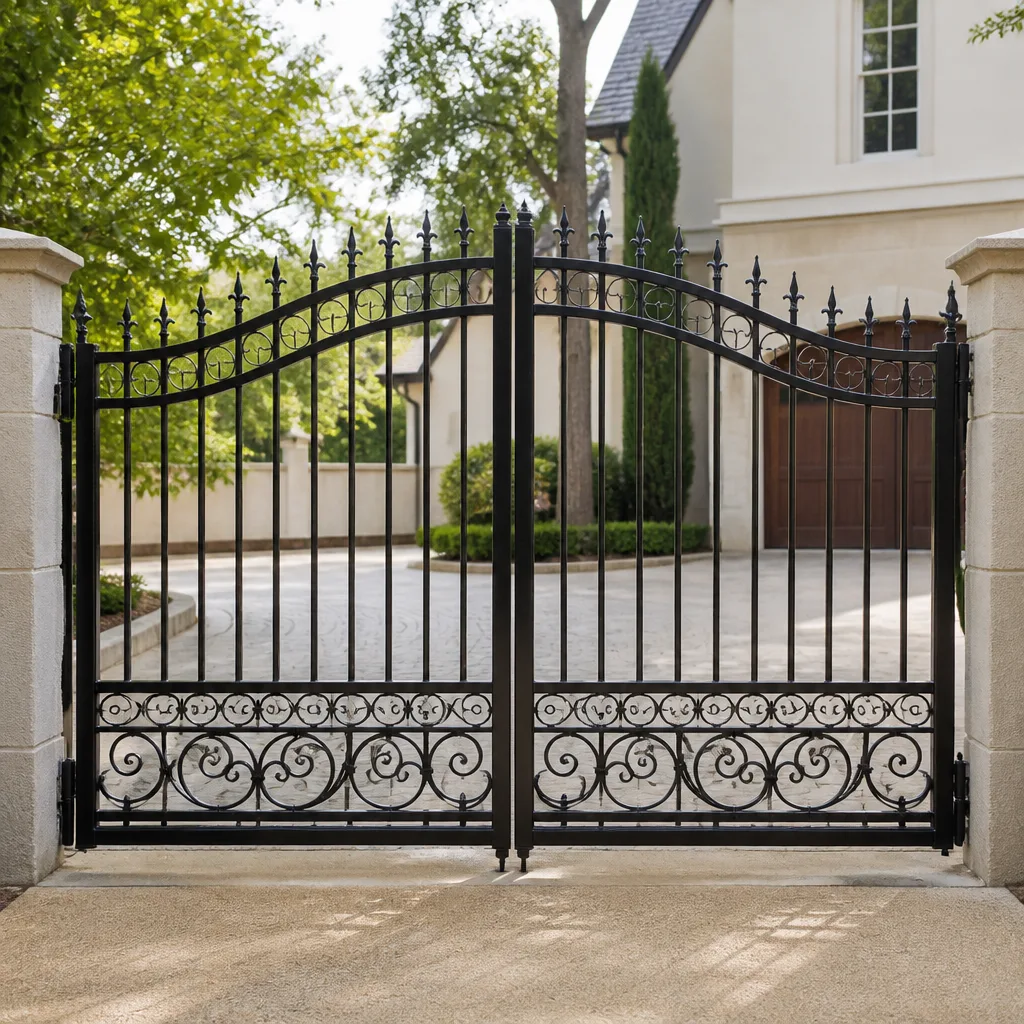 Wrought iron
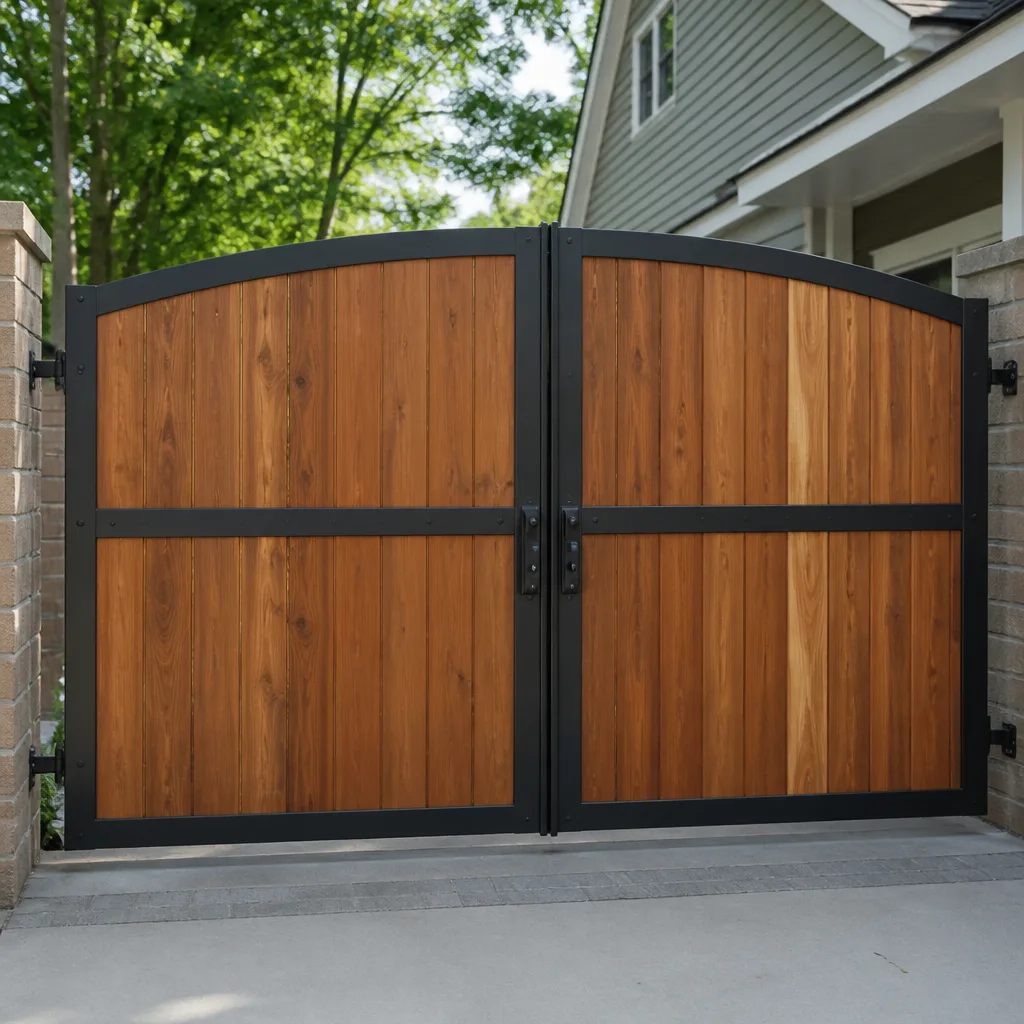 Wood & steel frame
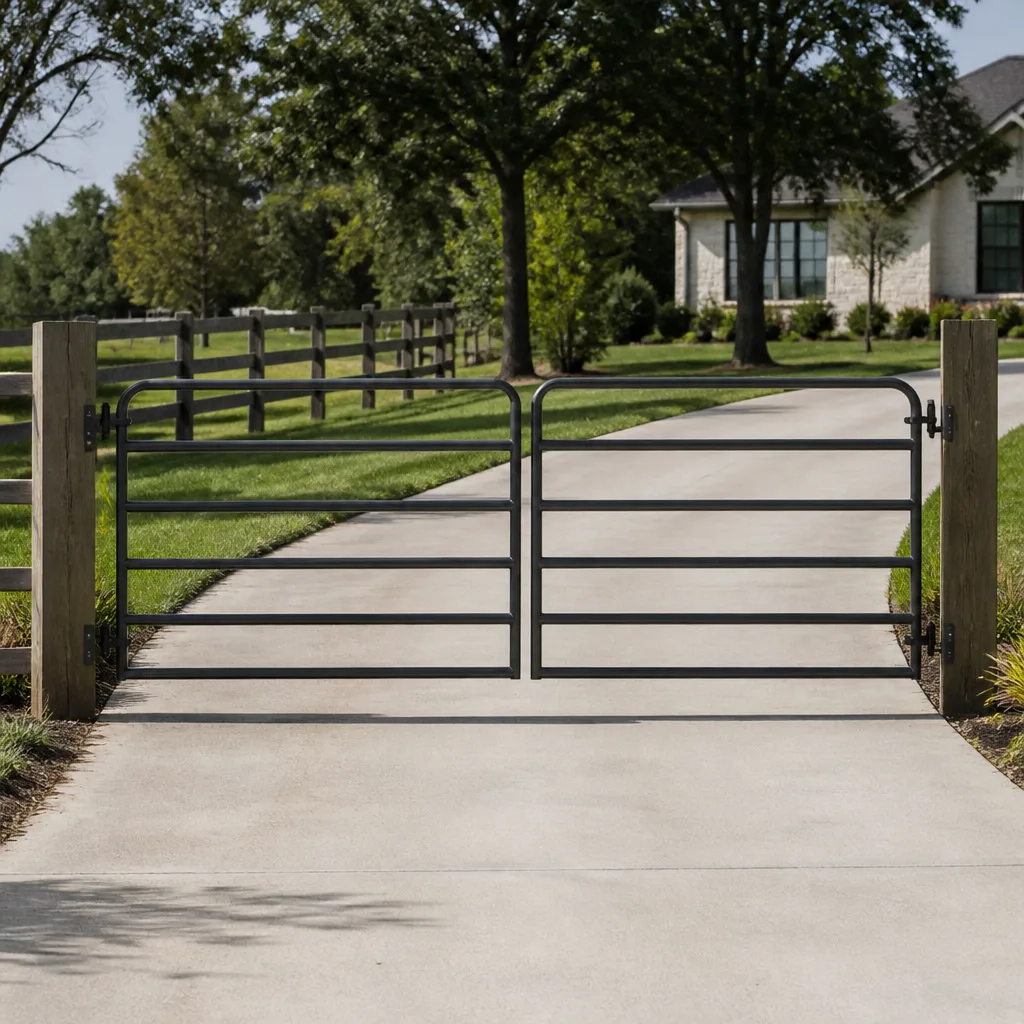 Farm & ranch
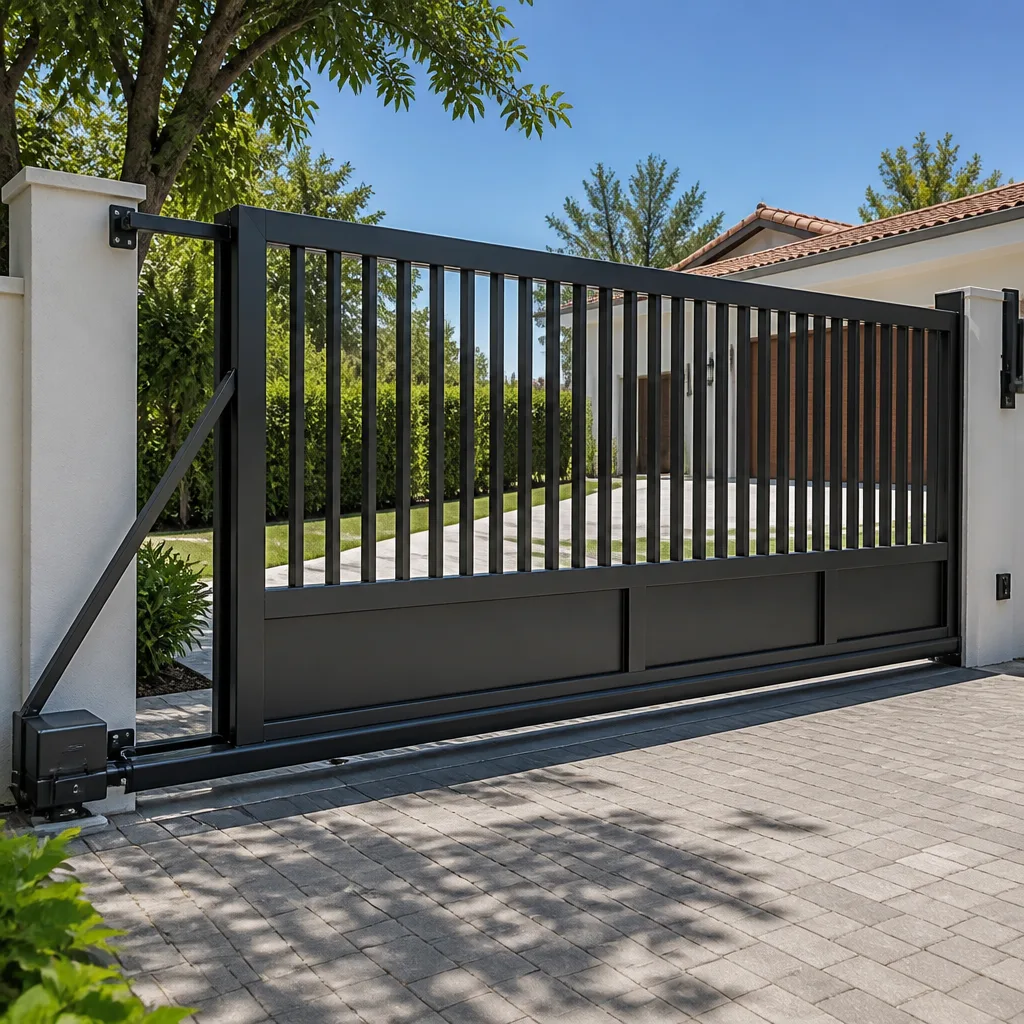 Sliding driveway gates
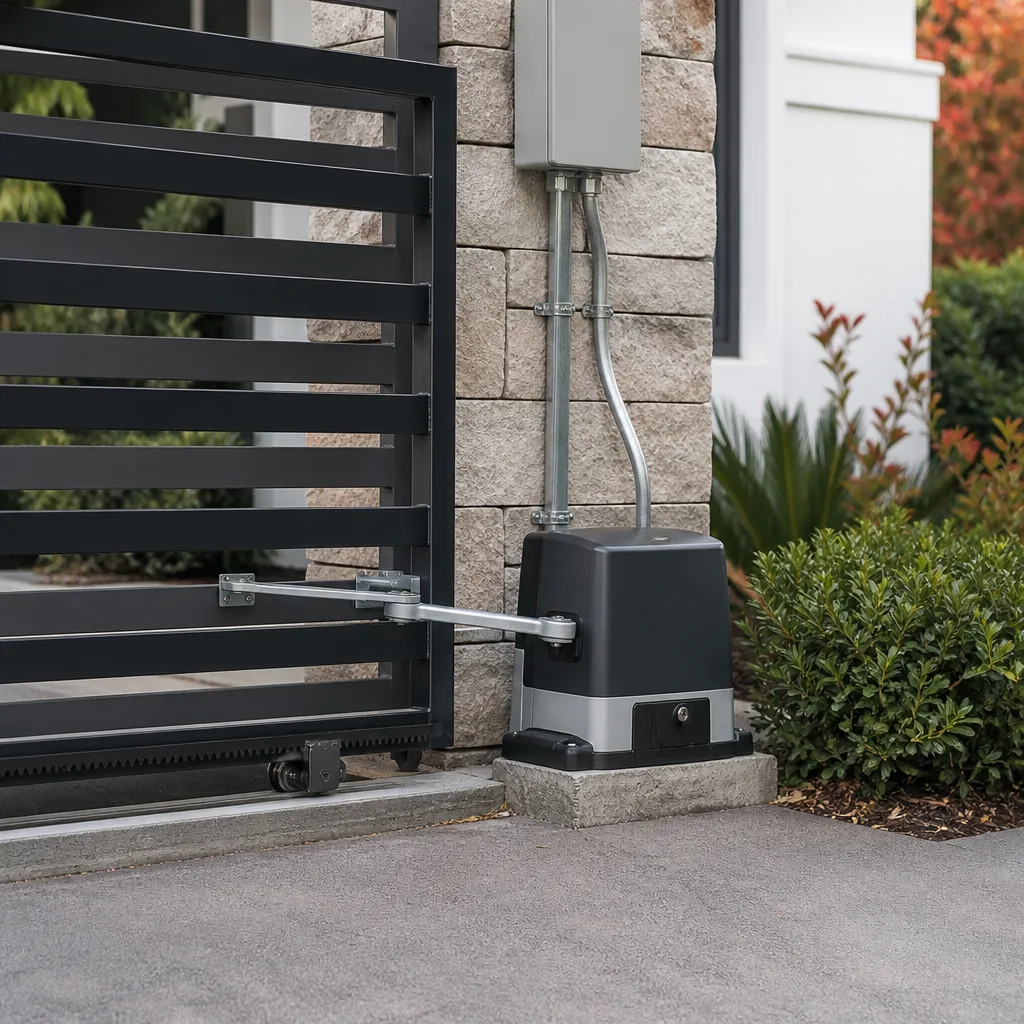 LiftMaster operators
Free on-site gate assessment - hinges, posts, and your LiftMaster or Nice gate operator checked before anything is quoted
The assessment is free and the quote is the invoice.
Get your free estimateGate Repair Permits, Codes & Inspections in CA: What You Need to Know
If your gate operator was installed before 2016 and you replace it with a UL 325-compliant unit, California code requires specific entrapment protection zones to be re-evaluated, a step that most swap-and-go technicians skip entirely. That skipped step is where liability lives. Most Rancho Bernardo homeowners assume permits only apply to new gate installations, but the reality is more nuanced: operator replacements, entrapment protection upgrades, and even certain control board swaps can trigger inspection requirements under San Diego County and City of San Diego jurisdiction. This guide walks through exactly when a permit is legally required, what UL 325 compliance actually means for your property, how HOA rules interact with municipal code, and what happens at resale if unpermitted work turns up. We’ve written this from the perspective of a Rancho Bernardo gate specialist who deals with these questions weekly.
Styles & brands we work with
- Wrought iron
- Wood & steel frame
- Farm & ranch
- Sliding driveway gates
- LiftMaster operators
Quick Answer
Most our Gate Repair services in California do not require a permit: replacing a hinge, welding a cracked post, swapping a wheel, or repairing an existing operator generally falls under routine maintenance. However, work that involves installing a new gate operator, replacing an operator in a way that changes entrapment protection zones, moving or pouring new footings, or adding electrical service to a gate that previously had none typically triggers a permit requirement under the California Building Code and local amendments in San Diego County. When a permit is required, the work must also pass UL 325 safety compliance verification, including entrapment protection testing for zones A through F.
Table of Contents
- When a Gate Repair Permit Is Required in California (And When It Isn’t)
- UL 325 Entrapment Protection Explained: Zones A Through F in Plain Language
- HOA vs. Municipal Authority: Who Actually Has Jurisdiction Over Your Gate
- What Unpermitted Gate Work Means When You Sell a California Home
- The City of San Diego Gate Inspection Process: What Inspectors Actually Check
- Rancho Bernardo-Specific Gate Code Considerations
- How to Remedy Unpermitted Gate Work Retroactively
- Common Mistakes to Avoid
- When to Call a Professional
- Frequently Asked Questions
- The Bottom Line
When a Gate Repair Permit Is Required in California (And When It Isn’t)
The California Building Code (CBC), adopted and amended by local jurisdictions, draws a line between maintenance and construction. Maintenance doesn’t need a permit. Construction does. But the line moves depending on what’s being touched, and that’s where gate repair gets confusing for Rancho Bernardo property owners.
Here’s the breakdown of what typically requires a permit versus what doesn’t, under San Diego County and City of San Diego rules:
Work That Generally Does NOT Require a Permit
- Replacing a damaged gate hinge, bracket, or post cap
- Welding a cracked gate frame or repairing a sagging gate leaf
- Replacing worn gate wheels, rollers, or track components
- Swapping a failed circuit board in an existing operator, as long as the replacement board is a like-for-like model
- Adjusting limit switches, force settings, or closing speeds on an existing operator
- Replacing a remote control, keypad, or loop detector as an accessory repair
- Painting, resurfacing, or re-hanging an existing gate leaf on its original posts
Work That Generally DOES Require a Permit
- Installing a new gate operator on a gate that previously had none, or that had a manual opener
- Replacing an existing operator with a different model that changes the gate’s swing direction, weight capacity, or entrapment protection zones
- Pouring new concrete footings or setting new gate posts
- Running new electrical service to a gate, or adding a subpanel dedicated to gate operation
- Moving or reconfiguring the gate structure, including widening the opening
- Installing vehicular gates in a new location, even if the gate itself is used
The key distinction: if the work restores the gate to its original condition, no permit. If the work changes the system’s configuration, adds electrical infrastructure, or places new physical loads on the site, a permit is likely required. We’ve seen Rancho Bernardo homeowners replace a Viking or Linear operator with a different model and assume it’s routine, only to learn the hard way that the change altered the entrapment protection profile and pulled the job into permitting territory.
One more thing worth saying plainly: when in doubt, call the building department. The City of San Diego’s Development Services Department has a phone line for exactly this question, and they’ll tell you whether the scope triggers a permit. It’s a ten-minute call that can save thousands in retroactive compliance work. Our Gate Repair Rancho Bernardo home page has more context on how we scope repair versus replacement work for local properties.
UL 325 Entrapment Protection Explained: Zones A Through F in Plain Language
UL 325 is the ANSI/UL safety standard that governs automatic gate operators, and it’s the backbone of gate-related building code enforcement in California. What most homeowners never hear about is that UL 325 divides the gate’s operating area into six distinct entrapment protection zones, labeled A through F. Each zone describes a specific pinch point or crush hazard where a person, pet, or object could be trapped by a moving gate.
Here are the six zones and what they actually mean:
- Zone A: The area between the gate leaf and the gate post at the hinge side when the gate opens. This is the classic finger-crushing point. On older Rancho Bernardo residential gates, Zone A protection is frequently missing entirely.
- Zone B: The area between two gate leaves when a double gate closes, where the leaves meet at the center. If both leaves close simultaneously, a person standing at the center is at risk of being crushed between them.
- Zone C: The area between the closing edge of the gate and any fixed object, like a fence post, bollard, or wall, as the gate swings or slides shut.
- Zone D: The space between the gate’s moving edge and a fixed obstruction along the gate’s travel path, particularly for slide gates moving parallel to a fence or wall.
- Zone E: The area between the gate leaf and the ground below, especially relevant for lift gates or gates with bottom edges that pass close to a fixed surface.
- Zone F: The pinch area behind a gate as it opens, between the gate leaf and any fixed object behind it, like a column or planter.
UL 325 compliance requires that each of these zones is protected by one of several mechanisms: photoelectric sensors, contact edges, or inherent obstructions sensing built into the operator. For more detail, see our Gate Repair Warning Signs: A Rancho Bernardo Homeowner’s Reference Guide. On gates installed before 2016, particularly in older Rancho Bernardo communities like Seven Oaks or The Trails, we frequently find Zone A and Zone C protection absent. The gate works fine, so nobody notices. But the liability is real: if a child gets their hand caught at the hinge point on a non-compliant gate, the homeowner’s insurance generally won’t cover the injury because the gate wasn’t code-compliant. That’s a scenario we never want to see a client face.
When we perform electric gate repair in Rancho Bernardo, we check all six zones as part of the diagnostic, regardless of what the original service call was for. It’s the difference between fixing a symptom and leaving a hazard in place.
HOA vs. Municipal Authority: Who Actually Has Jurisdiction Over Your Gate
This is one of the most misunderstood areas of California gate law, and Rancho Bernardo’s dense network of planned communities makes it especially relevant. When a gated community or HOA-maintained entrance gate fails, both the HOA and the local building department have opinions. They don’t always agree.
Here’s the practical breakdown of how authority actually works:
- Building code authority sits with the municipality. The City of San Diego, through its Development Services Department, has statutory authority over construction permits and code enforcement within city limits, including unincorporated areas under county jurisdiction. No HOA rule can override building code. If the city says the work requires a permit, the HOA cannot waive that requirement.
- The HOA has authority over the gate as a design element. CC&Rs (Covenants, Conditions, and Restrictions) typically grant the HOA authority over the gate’s appearance, sizing, materials, and operational hours. They also govern when the gate is open versus closed, and who has access credentials.
- Maintenance responsibility is defined by the HOA’s governing documents. In some Rancho Bernardo communities, the HOA owns and maintains the entrance gates. In others, individual homeowners own the gates at their driveways, and the HOA only maintains the common access roads. Read the CCR section on “exclusive use common area” carefully: it dictates who pays for repairs and who has the legal right to authorize them.
- When the gate is both a design element and a safety system, municipal code wins. If a gate operator fails and creates an entrapment hazard, the city’s safety code enforcement power applies regardless of what the HOA’s position is. The HOA cannot legally keep a hazardous gate in service while awaiting a board vote.
- Security decisions versus safety decisions. An HOA can decide the gate should be closed overnight for security. They cannot decide that a UL 325-compliant operator is unnecessary. Safety requirements are non-negotiable.
In practice, what we see in Rancho Bernardo is that most HOA-managed gates need dual sign-off: board approval for the scope and cost, plus municipal permit compliance for the operator replacement if the scope triggers it. Our gate repair in Rancho Bernardo service handles both the mechanical work and the documentation trail that HOAs and inspectors ask for, so property managers aren’t coordinating between two vendors.
What Unpermitted Gate Work Means When You Sell a California Home
California’s real estate disclosure laws are among the strictest in the nation. The Transfer Disclosure Statement (TDS) and the Supplemental Statutory Disclosure require sellers to list any known unpermitted work on the property. Gate operators fall under this requirement when they were added or replaced without a permit. Failing to disclose creates exposure to a post-sale lawsuit for fraud or negligent misrepresentation.
Here’s what unpermitted gate work actually means at resale:
- Disclosure is mandatory. If you know the gate operator was replaced without a permit and you don’t disclose it, the buyer can sue you after closing. California courts have consistently enforced this obligation, and the standard for “knowledge” is low: if you hired the contractor who did the work, you’re deemed to know the scope of the job.
- Buyers can demand a retrofit as a condition of sale. Once unpermitted work is disclosed, the buyer’s lender may require retroactive permitting before funding. That means the seller pays for the gate to be brought up to code before escrow closes, or agrees to a credit against the sale price.
- Insurance coverage may be voided. A homeowner’s insurance claim involving a gate injury on an unpermitted, non-code-compliant operator is generally denied. Underwriters specifically look for UL 325 compliance records when a liability claim is filed.
- Appraisal value can take a hit. An appraiser noting unpermitted additions on a property will often reduce the comparable value, especially in markets like Rancho Bernardo where gate-equipped homes are common and buyers expect them to be code-compliant.
- Remediation is possible but time-consuming. You can typically obtain a permit for existing work retroactively, but it requires an inspection, identification of any deficiencies, and correction of those deficiencies before the permit is signed off.
The lower-voltage detail that people often miss: gate operator replacements that reuse the existing 120V feed and just swap the motor and board may not require an electrical permit, but they still trigger the UL 325 compliance verification if the new operator changes the entrapment protection configuration. So even a job that seems like a simple swap carries a disclosure obligation if the safety profile changed. When we handle gate installation in Rancho Bernardo, we document the compliance status for every job so the homeowner has a paper trail if they ever list the property.
The City of San Diego Gate Inspection Process: What Inspectors Actually Check
When a gate operator or gate structure requires a permit in the City of San Diego, the inspection process follows a predictable path. Knowing what the inspector checks makes the difference between a one-visit pass and a frustrating cycle of corrections. Here’s what the process looks like step by step.
- Permit issuance. The permit application identifies the scope: new operator, operator replacement, footing work, or electrical service addition. The approved plans become the standard the inspector uses during the site visit.
- Rough inspection (if new electrical is involved). If new conduit, wiring, or a subpanel is part of the work, the inspector checks the rough-in before it’s covered: wire gauge, conduit type, grounding, and junction box placement. This includes the service disconnect location, which must be within sight of the gate operator per NEC 430.102.
- Final inspection. The inspector checks the installed gate and operator against the approved plans and the following specific code points:
- UL 325 label on the operator itself, confirming it’s listed for the application (Class I, II, III, or IV as appropriate for residential versus commercial use)
- Entrapment protection devices installed at all applicable zones A through F, with each tested for proper function
- Force settings on the operator, verified to reverse on contact with a blocked obstruction
- The presence and placement of warning signs as required by UL 325, mounted on both sides of the gate
- Proper clearance between the moving gate leaf and fixed objects, including the ground clearance for sliding gates
- Electrical bonding of the gate frame to the operator ground, preventing a difference in potential between the two
- The manual disconnect mechanism, confirming the gate can be operated by hand in a power failure
- Correction cycle (if needed). If the inspector identifies deficiencies, they’re listed on a correction notice with a re-inspection deadline. The re-inspection fee applies. Most failed inspections we see in Rancho Bernardo are over missing Zone A protection on older hinge-side pinch points, or missing UL 325 warning signs.
- Final sign-off. Once approved, the permit is closed and the compliant installation is on file with the city. This is the documentation you want in hand when you sell, or when an insurance claim involves the gate.
The inspection itself typically takes twenty to forty minutes for a residential gate. The inspector isn’t there to catch you out; they’re there to verify the safety system works as intended. Preparedness matters: if the entrapment sensors are tested and working before the inspector arrives, the odds of passing on the first visit go way up.
Rancho Bernardo-Specific Gate Code Considerations
Rancho Bernardo’s physical geography and development history create specific gate code situations that a generic California guide won’t address. Here’s what we see on the ground, in the neighborhoods we actually work in.
Slope and grade. Many Rancho Bernardo properties sit on significant elevation changes. A driveway gate on a slope changes the entrapment calculation: gravity works against the operator when closing, and against the safety system when opening. UL 325 Zone E (the gap between the gate bottom and the ground) becomes especially critical on sloped driveways, because the gap can taper to nothing at one end. A gate that passes inspection on flat ground can fail on a Rancho Bernardo hillside lot if the operator force settings weren’t calibrated for the slope’s effect.
Age of housing stock. Rancho Bernardo’s original housing developments date back to the 1960s and 1970s, with later expansions through the 1990s and 2000s. That means we consistently see gate operators that were installed under older code cycles: pre-2000 operators may have no photoelectric sensors at all; 2000 to 2016 operators typically have Zone C protection but lack the full A-through-F coverage that current UL 325 standards mandate. When these gates get repaired, the repair itself doesn’t retroactively require a code upgrade, but any operator replacement does. For help diagnosing issues, see our Gate Repair Troubleshooting: Common Problems and How to Fix Them.
HOA density. Rancho Bernardo has one of the highest concentrations of HOA-governed communities in San Diego County. Seven Oaks, Bernardo Heights, High Country West, and the Trails at Rancho Bernardo all have gated entries or gate-governed subcommunities. That means a high percentage of gate repair work involves HOA documentation requirements in addition to municipal permitting. We’ve worked with boards throughout these communities, and we know the documentation formats they expect.
Wind exposure. Rancho Bernardo’s canyon-adjacent properties in the Green Valley and Bernardo Heights areas experience wind that can routinely hit 25 to 40 mph in winter months. This affects gate operators in a specific way: wind load on a large gate leaf can trigger the operator’s obstruction sensor, causing mid-cycle reversals, but it can also mask true entrapment events. Inspectors familiar with Rancho Bernardo conditions will specifically test operator behavior under gust loading, not just in still air.
These are the reasons a generic gate company from outside the area struggles with Rancho Bernardo inspections. Gate repair in Rancho Bernardo isn’t just about mechanical work; it’s about understanding local conditions that affect code compliance. The local knowledge lives with companies that do this trade full-time in this specific area.
How to Remedy Unpermitted Gate Work Retroactively
If you’ve discovered that a previous owner, a handyman, or a previous gate company did work without a permit, here’s the path back to compliance. It’s not as bad as most people fear, but it does require a sequence that can’t be skipped.
- Identify the scope of the unpermitted work. Determine exactly what was changed: was it just an operator swap, or did footings and electrical change too? The scope determines which corrections the city will require.
- Pull the property records. Contact the City of San Diego Development Services Department and request the building permit history for the address. This shows what’s on file and what’s missing.
- Apply for a retroactive permit. The city uses a specific process for this, often called “permit for existing construction” or “as-built permit.” Expect the permit fees to be higher than original permit fees, reflecting the retroactive nature of the application.
- Have a UL 325 compliance evaluation performed. This is where a gate specialist goes zone by zone through A through F and documents what protection exists, what’s missing, and what the correction is. On a FAAC or BFT system from the early 2010s, this typically means adding photoelectric sensors at Zones A, B, or D and adjusting force settings.
- Make all required corrections. Install missing sensors, add or replace warning signs, correct any electrical grounding deficiencies, and confirm the operator’s force settings meet current UL 325 requirements.
- Schedule and pass the inspection. The correction order becomes the inspection checklist. Pass it, get the permit signed off, and keep the documentation in your permanent property file.
Retroactive compliance typically costs between $800 and $2,500 depending on what’s missing, and most of that is corrections, not permit fees. It’s a fraction of what an unpermitted gate would cost you in a sale negotiation or insurance claim. We handle this process for Rancho Bernardo homeowners on a regular basis.
Common Mistakes to Avoid
- Assuming all gate repair is exempt from permits. Repairing an existing hinge or sensor is exempt. But replacing an operator with a different model can trigger permitting, especially if the new unit changes the entrapment protection profile. A Linear to FAAC swap, for example, is not an apples-to-apples replacement if the swing direction or force settings differ.
- Skipping the UL 325 compliance check after a repair. A gate can work perfectly after a spring replacement or board swap and still be non-compliant at one or more zones. Function is not the same as compliance.
- Letting the HOA decide the code status. HOAs in Rancho Bernardo can decide appearance, access, and maintenance responsibility. They cannot decide that a safety requirement doesn’t apply. If your HOA is resistant to a code upgrade, the city’s authority supersedes them.
- Using a generalist handyman for operator work. A handyman who can re-hang a sagging Leaf on a manual gate is typically not qualified to evaluate UL 325 entrapment zones or calibrate operator force settings. The mistake shows up at inspection or, worse, in an injury.
- Forgetting the documentation trail. Even compliant work creates a documentation burden: the permit, the inspection sign-off, the UL 325 evaluation records. Losing these papers recreates the disclosure problem at sale.
- Waiting until escrow to fix the problem. By the time a buyer discovers unpermitted gate work, you’ve lost negotiating leverage. Remediating before listing gives you a clean disclosure and a stronger sale position.
- Assuming an old operator is fine because it still works. A 2008-era Viking gate operator that works fine every day may still be non-compliant under current UL 325 standards. The day you replace it is the day the standard changes apply, and that’s the day your scope of work expands.
When to Call a Professional
Some gate work is genuinely DIY: replacing a keypad, swapping a remote, tightening a hinge bolt. But the moment the work touches the operator, the electrical service, or the entrapment protection system, you’re in professional territory. Call a gate specialist when you’re replacing an operator with a different brand or model, when you’re adding automation to a previously manual gate, when a city inspection flagged code deficiencies, when you’ve discovered unpermitted work from a previous owner, or when you’re preparing a property for sale and need documentation in order. Gate Repair Rancho Bernardo offers free estimates in Rancho Bernardo, call (855) 532-9392 to get your gate evaluated by someone who works on the brands already on your gate, including FAAC, BFT, Linear, and Viking.
Frequently Asked Questions
In most cases, no, repairing an existing gate operator does not require a permit as long as the repair restores the operator to its original condition, like replacing a worn gear or a failed capacitor. A permit is triggered when the operator is replaced with a different model that changes the entrapment protection configuration, or when new electrical service is added. Call (855) 532-9392 for a specific answer about your gate’s scope.
UL 325 is the safety standard that governs automatic gate operators, requiring specific entrapment protection at six zones labeled A through F where a gate can crush or pinch. It matters because California building departments enforce it at inspection, and non-compliant gates expose homeowners to injury liability that insurance generally won’t cover.
No, an HOA cannot override municipal building code, because the City of San Diego holds statutory authority over construction permits and safety enforcement. The HOA controls design and operational elements like gate appearance and access hours, but safety compliance remains with the city.
California law requires you to disclose known unpermitted work on the Transfer Disclosure Statement, and failure to disclose exposes you to post-sale fraud lawsuits. Unpermitted gate work also gives buyers leverage to demand retroactive compliance or a price reduction, and it can void insurance coverage for gate-related injury claims.
The inspector checks the UL 325 label on the operator, entrapment protection at all applicable zones A through F, operator force settings, warning signs on both sides of the gate, ground clearance, electrical bonding, and the manual disconnect mechanism. The inspection typically takes twenty to forty minutes for a residential gate.
Yes, the City of San Diego allows retroactive permitting for existing construction, which involves applying for an as-built permit, having a UL 325 compliance evaluation performed, making any required corrections, and passing a final inspection. The process typically costs $800 to $2,500 depending on what’s missing.
The Bottom Line
California gate permitting is misunderstood by most homeowners, and the consequences of that misunderstanding show up at the worst possible moments: during an injury claim, at sale, or when an inspector arrives. For more guides & resources, explore our blog. Most repairs don’t need permits, but operator replacements, footprint changes, and electrical additions often do, and UL 325 entrapment protection requirements apply regardless of whether the gate works fine every day. Rancho Bernardo’s sloped lots, HOA density, and aging housing stock create specific compliance situations that generic handyman work typically misses. If your gate has had unpermitted work, remediate it before you list your property. If you’re facing an operator replacement, get the compliance evaluation done right the first time. The cost of doing it correctly is a fraction of the cost of getting it wrong.
Written by the team at Gate Repair Rancho Bernardo, serving Rancho Bernardo since 2013.
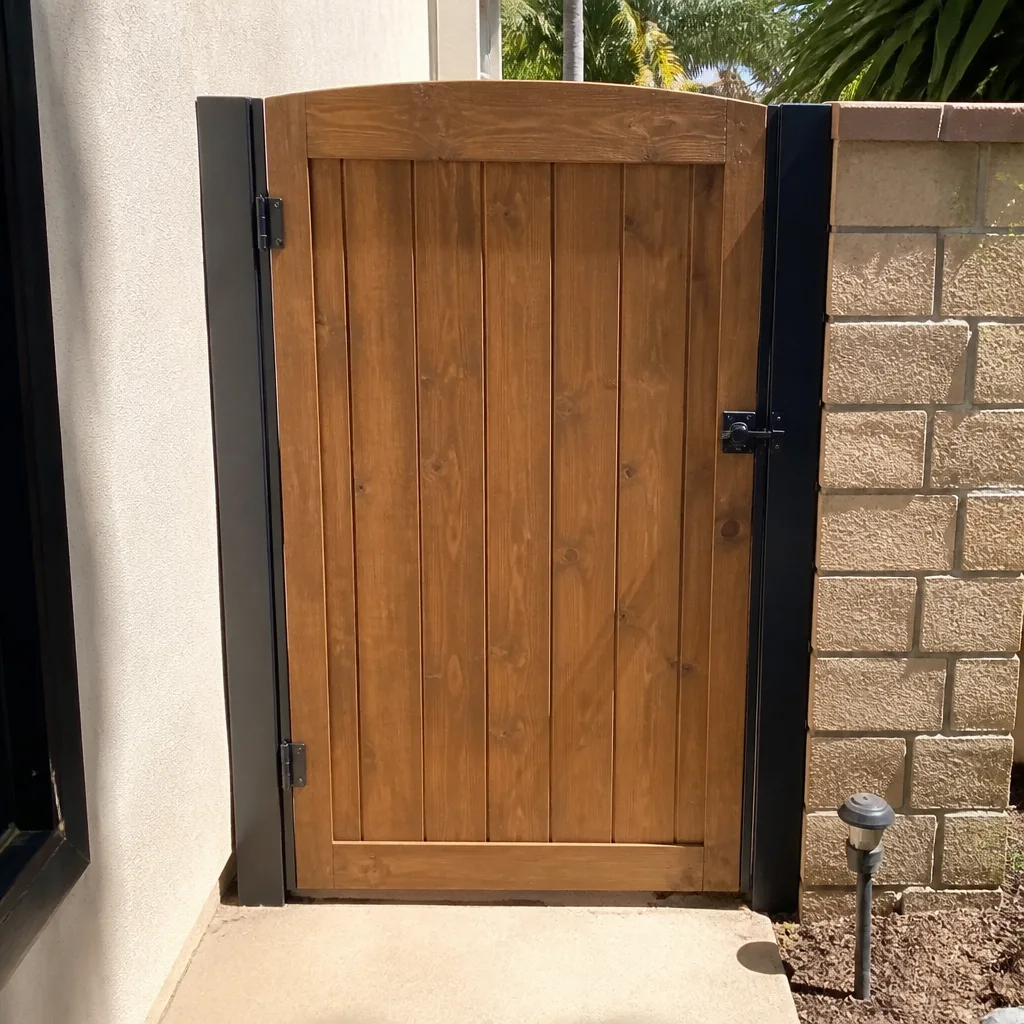
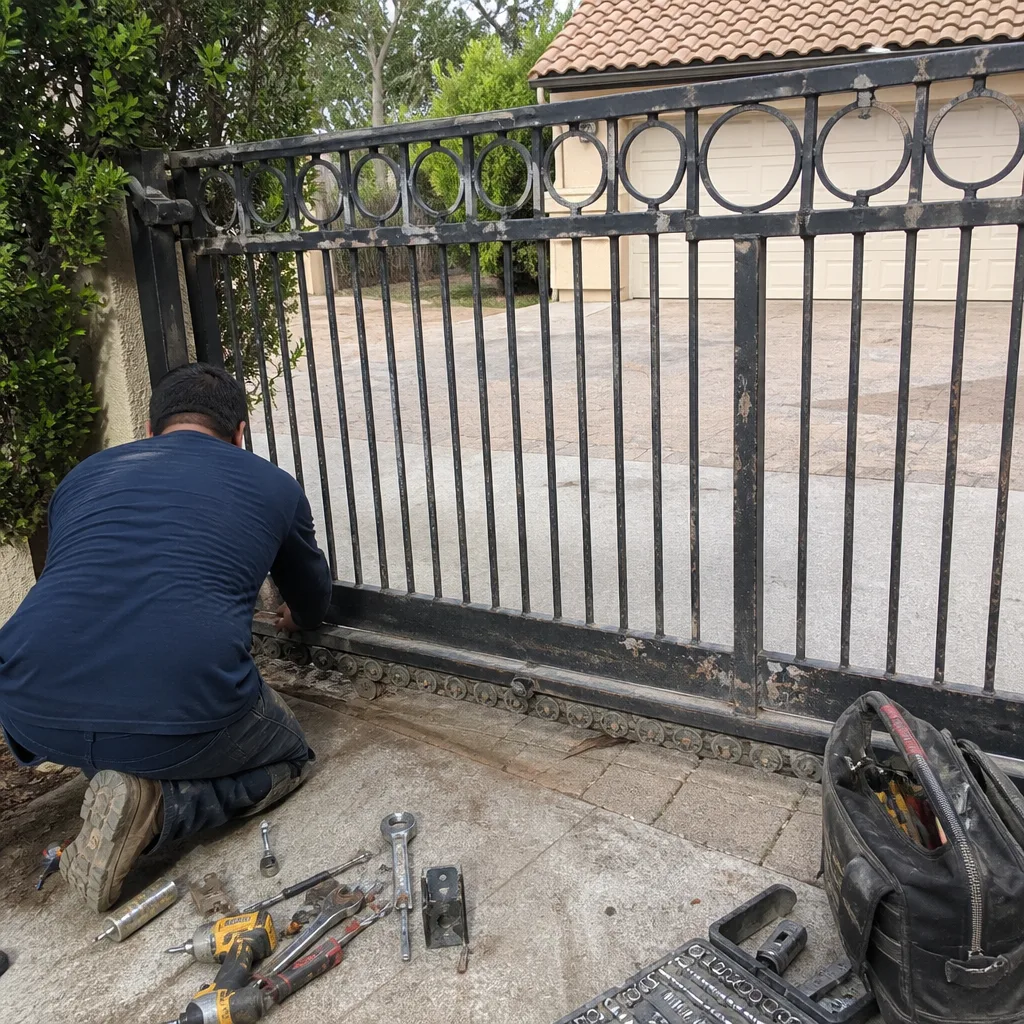
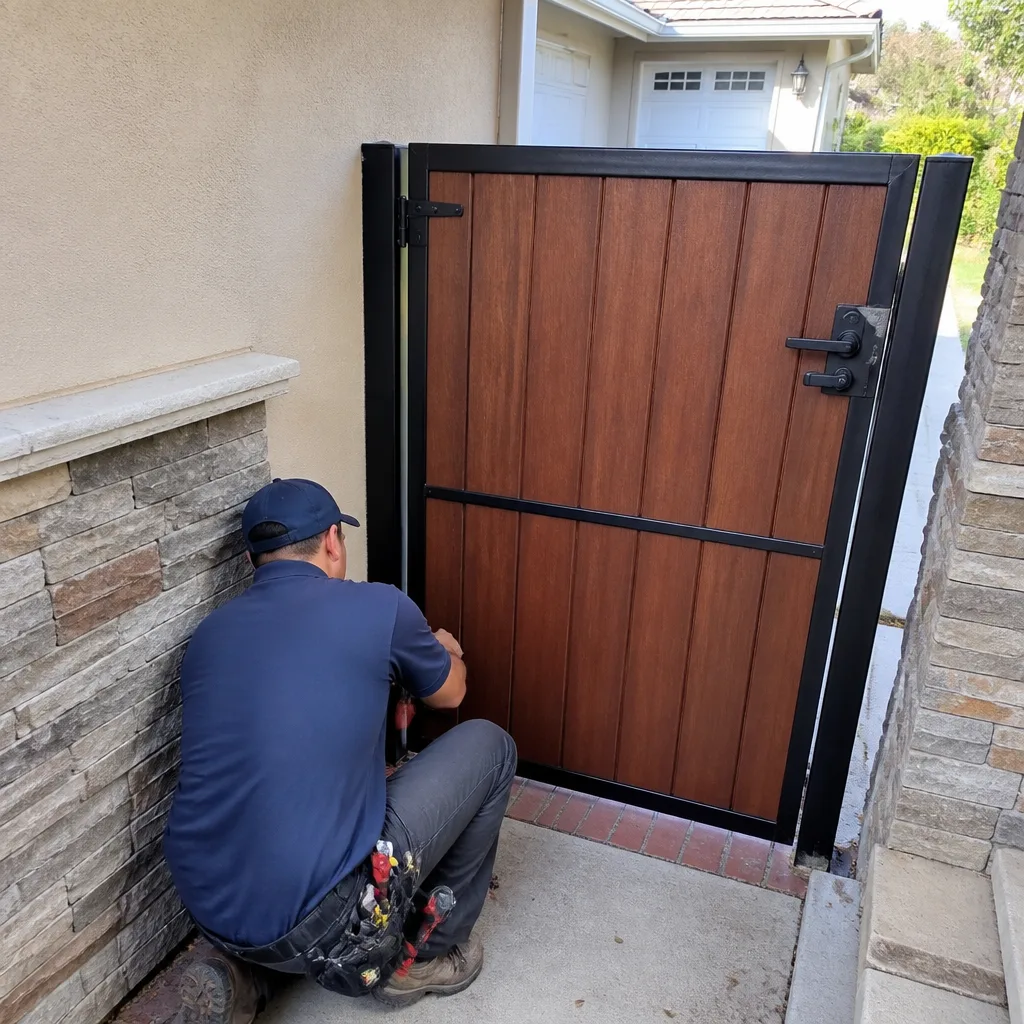
See the difference
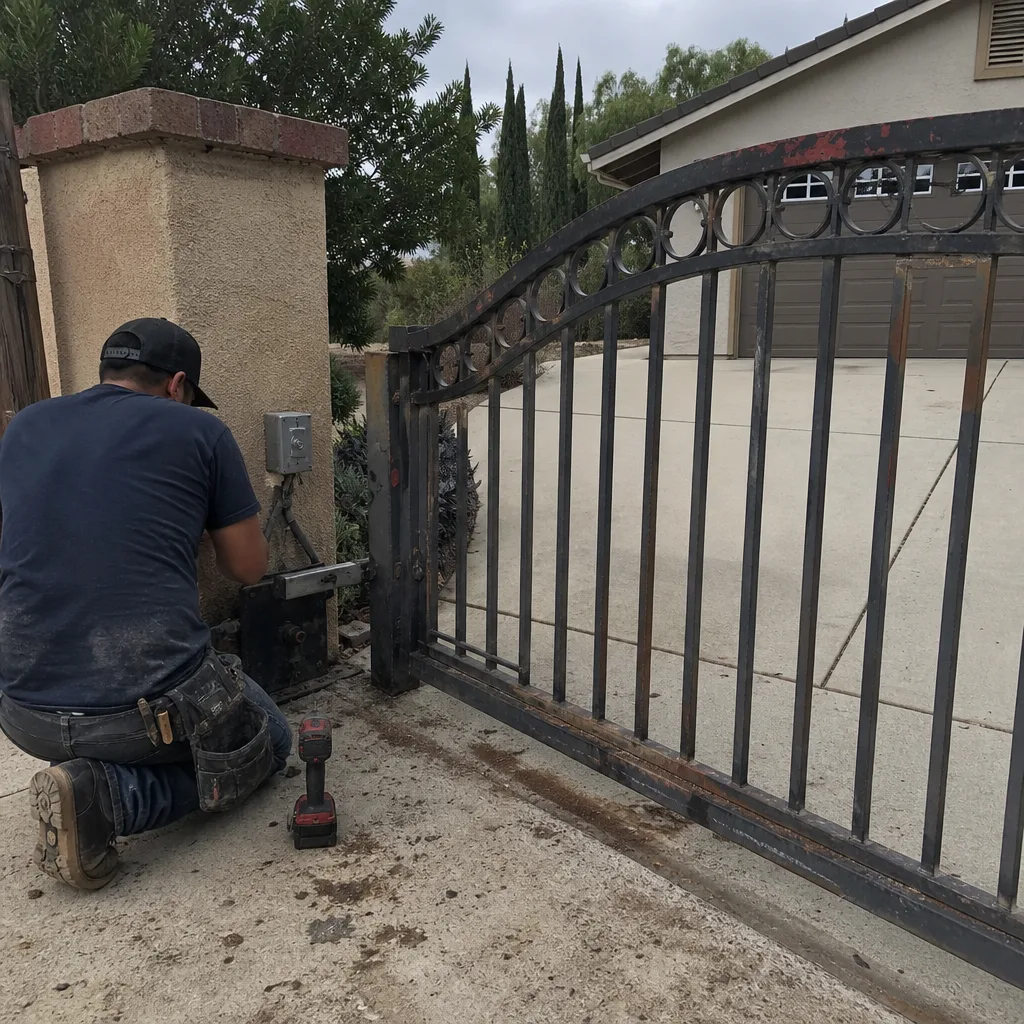 Before
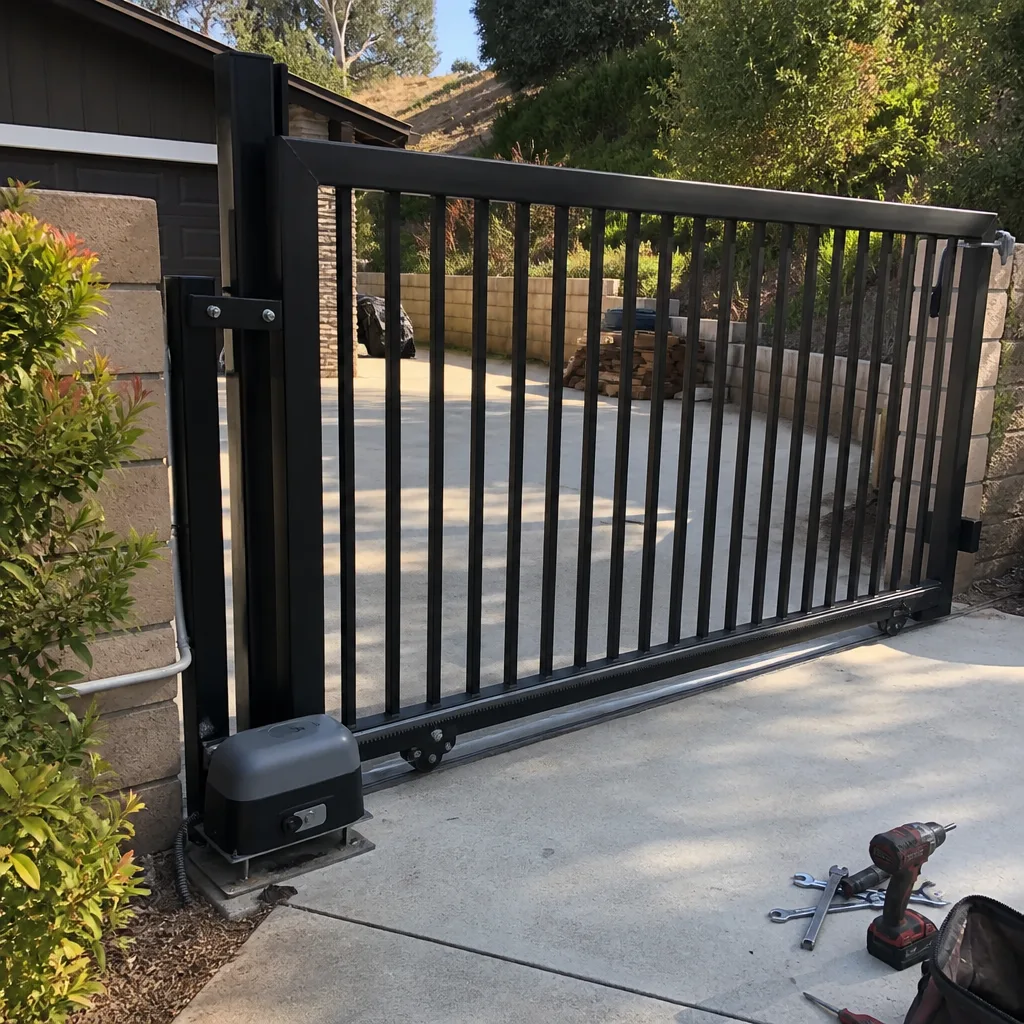 After
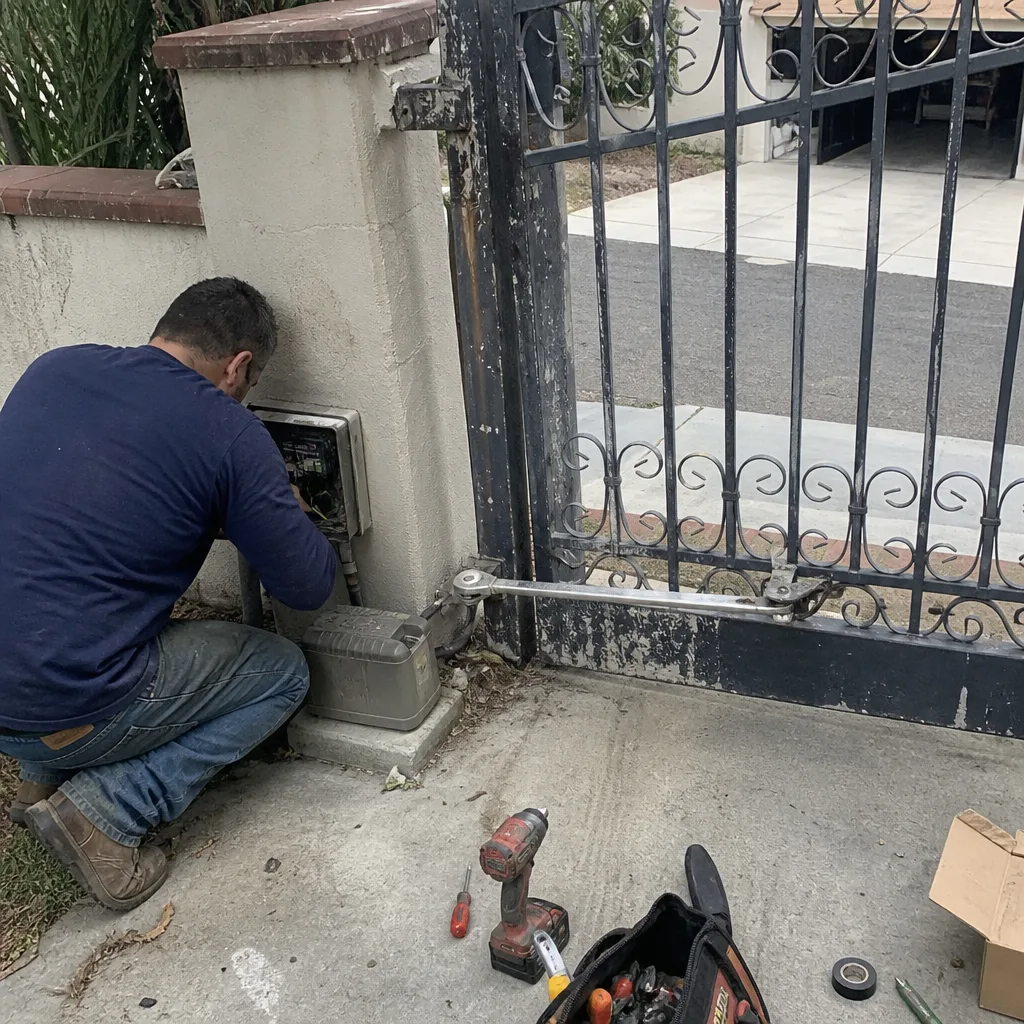 Before
 After
 Before
 After