
Last updated November 2, 2026
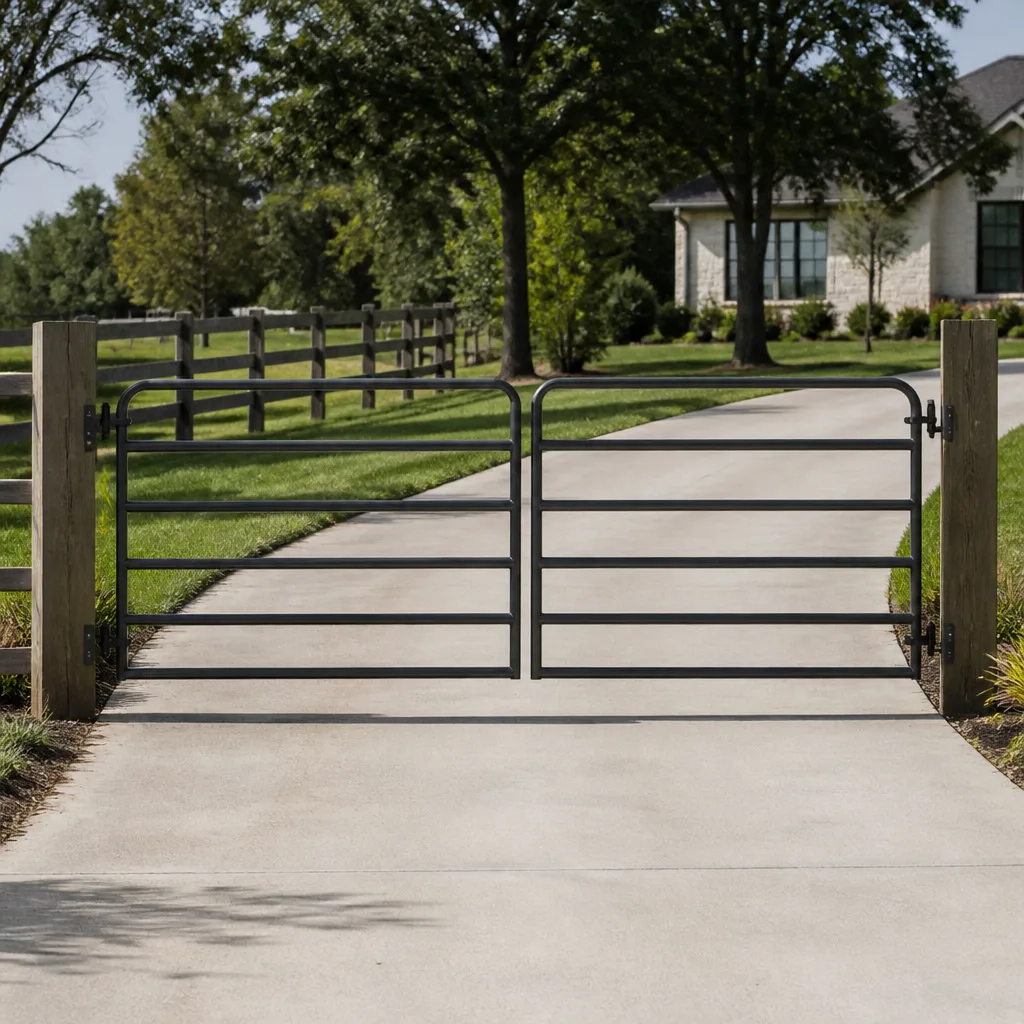 Farm & ranch
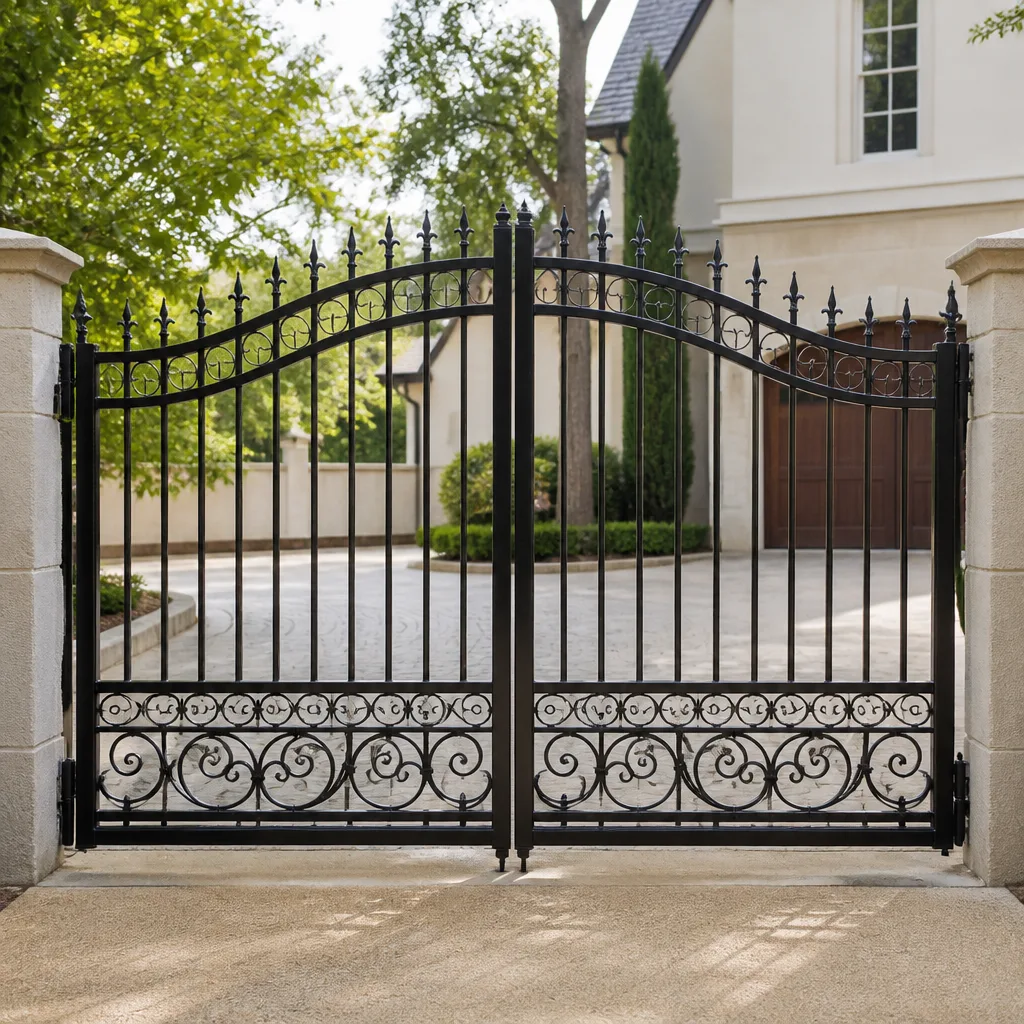 Wrought iron
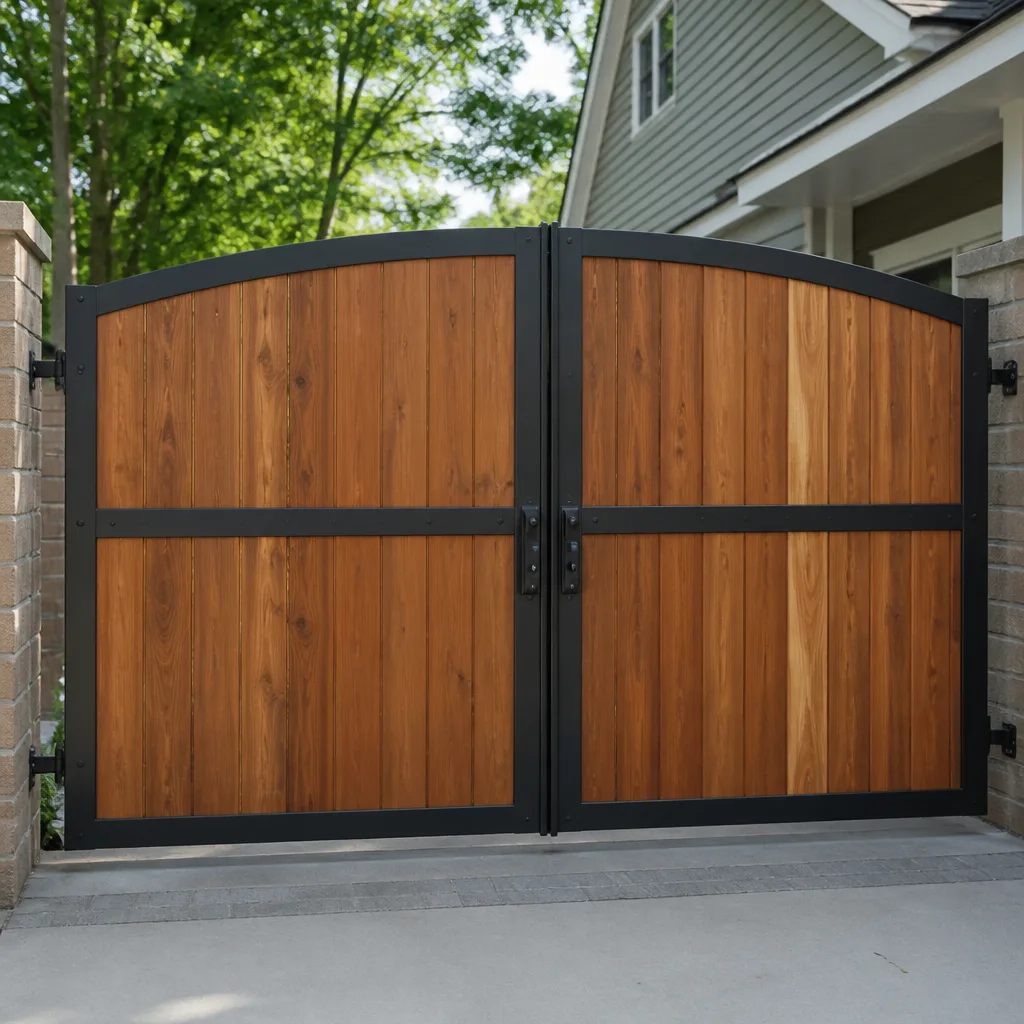 Wood & steel frame
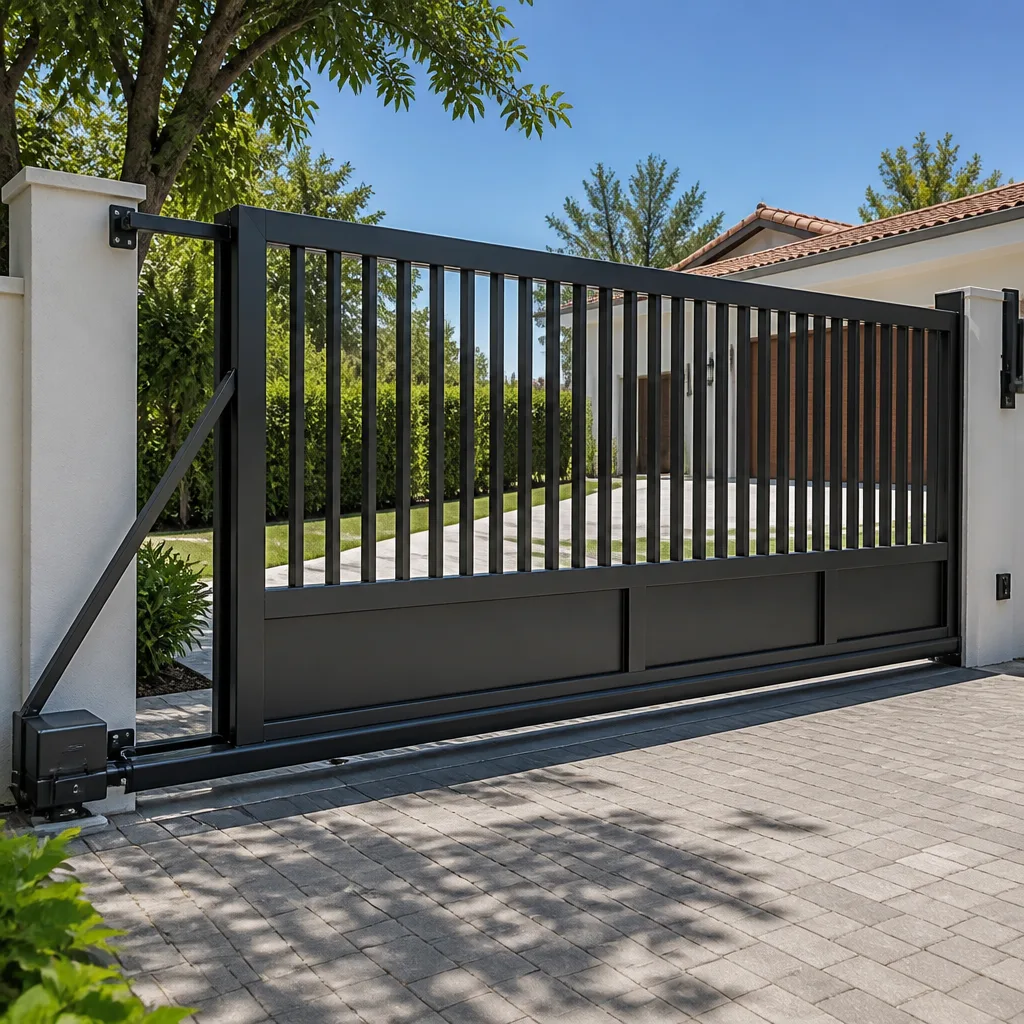 Sliding driveway gates
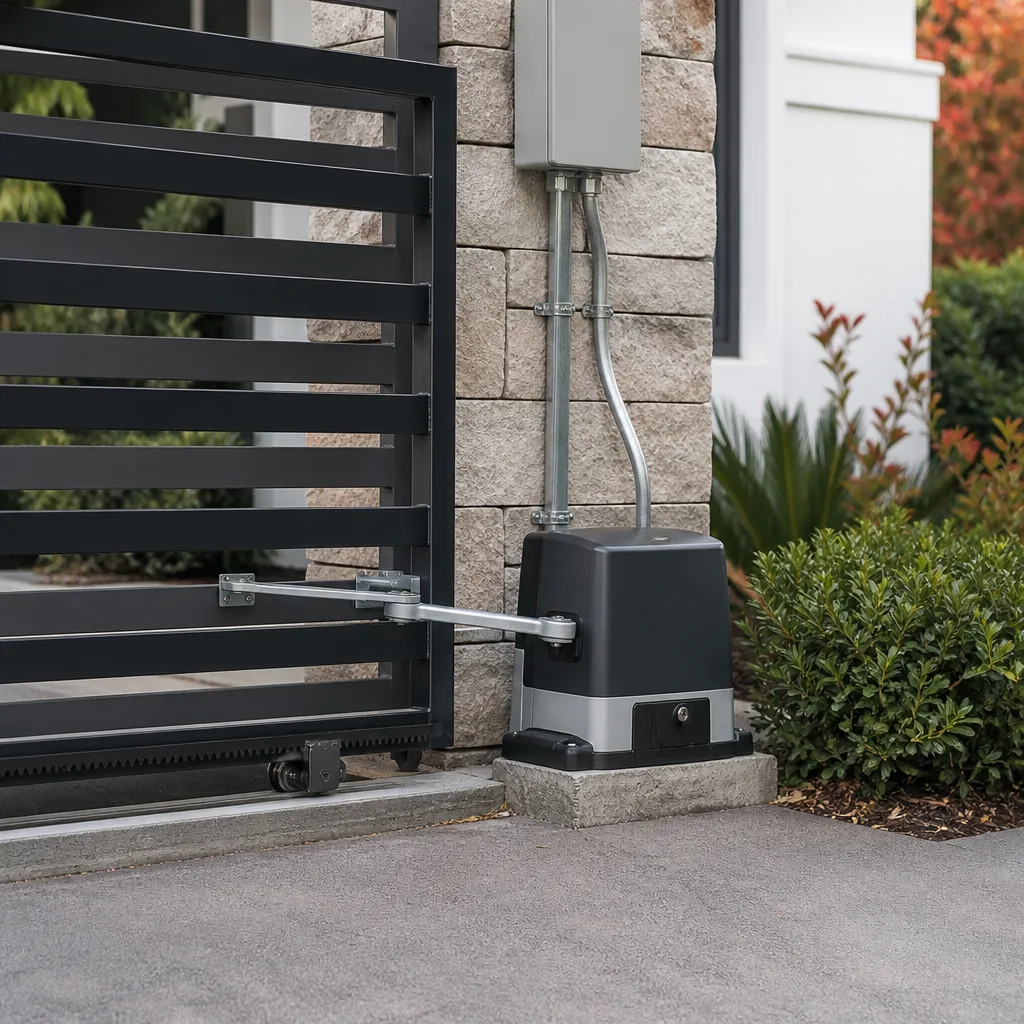 LiftMaster operators
Free on-site gate assessment - hinges, posts, and your LiftMaster or Nice gate operator checked before anything is quoted
The assessment is free and the quote is the invoice.
Get your free estimateDIY vs Professional Gate Repair: The Rancho Bernardo Homeowner’s Decision Guide
The most dangerous DIY gate repair isn’t touching the operator wiring. It’s adjusting the limit switches without understanding that an improperly set close limit on a slide gate can crush a vehicle bumper at full motor force and void your homeowner’s insurance claim. Most Rancho Bernardo homeowners don’t realize that their automatic gate operator is governed by a federal safety standard called UL 325, and once you modify anything inside that control board, you’ve stepped outside the manufacturer’s tested configuration. This guide draws a precise line between the repairs you can safely handle and the ones that need Gate Repair services from a technician who works on your specific operator brand every week.
Quick Answer
DIY gate repair is appropriate for tasks that don’t touch wiring, tensioned components, or entrapment protection: reprogramming remotes, cleaning photo-eyes, replacing battery backups, and lubricating hinges. Professional repair is required the moment you’re dealing with 24V or 120V wiring, limit switch calibration, gate force adjustment, or any component in the UL 325 entrapment zone. If it involves the control board, wiring terminals, or the operator’s motor, call a specialist.
Styles & brands we work with
- Wrought iron
- Wood & steel frame
- Farm & ranch
- Sliding driveway gates
- LiftMaster operators
Table of Contents
- The Line Between Safe DIY and Liability
- The Approved DIY Task List: 5 Jobs You Can Handle
- The Hard Stop List: What Requires a California Gate Technician
- Using Diagnostic Codes to Narrow the Problem Before Calling
- The Real Cost of a DIY Mistake: Undoing the Damage
- When a Quick DIY Fix Creates a Permit and Liability Issue
- Rancho Bernardo Gate Repair: Local Factors That Matter
The Line Between Safe DIY and Liability
The DIY gate repair question isn’t about skill level. It’s about system type. A Rancho Bernardo homeowner with a multimeter and basic mechanical sense can legitimately handle photo-eye alignment, remote reprogramming, manual release engagement, and basic lubrication. But the moment the repair touches 24V or 120V wiring, a UL 325 entrapment zone, or a component under spring tension, the liability and safety calculus changes completely. We see this in Rancho Bernardo constantly: a homeowner opens the control board cover on a DoorKing or Linear operator, moves a limit switch a few degrees to stop a gate from bouncing, and creates a situation where the gate now closes with enough force to knock over a child’s bicycle or catch a car door.
Here’s the framework we use when we talk to homeowners in Rancho Bernardo who are deciding whether to grab a screwdriver or pick up the phone, and for more guides & resources on making that call:
- Signal-level work is DIY territory. Remote controls, keypads, photo-eye sensors, battery backups. These are low-voltage components designed for user replacement.
- Force-level work is professional territory. Limit switches, motor torque, speed settings, safety edge sensitivity. These govern how hard the gate hits things.
- Power-level work is never DIY. Line voltage wiring, control board transformers, capacitor replacement. One wrong wire and the board is dead.
- Entrapment protection is a legal standard, not a preference. UL 325 compliance is federal law. When you alter it, you own the outcome.
That last point is the one most guides gloss over. A gate is not a garage door. A garage door operator has a single point of entrapment. A slide gate travels along a track for up to 30 feet, creating a continuous entrapment hazard along its entire path. A swing gate sweeps an arc that can trap someone against a post, a wall, or a car. The safety systems required for these systems are not suggestions. They’re mandatory under UL 325, and they must remain functional after any repair work.
The Approved DIY Task List: 5 Jobs You Can Handle
There’s real, legitimate maintenance work you can do on your gate in Rancho Bernardo without crossing into dangerous territory. Here’s what we tell homeowners they can absolutely handle themselves. These tasks don’t require opening the control board, touching high-voltage wiring, or altering the force or speed settings on the operator.
1. Reprogramming a Remote Control
This is the most common task we talk Rancho Bernardo homeowners through, and it’s safe for virtually any operator. The process varies slightly by brand. On most LiftMaster, Linear, and DoorKing residential units, you’ll find a learn button or a program button on the operator itself. Press it, then press the button on your remote within 30 seconds. You’ll typically see an LED flash to confirm the pairing. Ghost Controls and Mighty Mule units use a similar learn-button process, though some older Viking models require a specific button sequence documented in the owner’s manual. If the remote is more than five years old and has stopped syncing even after a fresh battery, it may be a receiver issue rather than a programming issue. That’s worth a call rather than endless button-pressing.
2. Replacing Battery Backup Units
If you have an electric gate in Rancho Bernardo with a battery backup, you likely know it from the periodic beeping sound the operator makes when the battery is failing. Most residential operators use sealed lead-acid batteries in 12V or 24V configurations. The battery is typically housed in a separate compartment from the control board, which makes replacement reasonably safe if you follow the disconnect sequence: kill the operator’s power switch first, then disconnect the battery terminals. But check your model. Some FAAC and BFT units have the battery mounted inside the same enclosure as the main board, and if you’re not confident you can swap it without brushing a wire against the board, this task moves into professional territory.
3. Cleaning and Aligning Photo-Eyes
Photo-eyes are the small sensor units mounted on either side of your gate opening, usually a few inches above the ground. They’re designed to detect an obstruction and reverse the gate. In Rancho Bernardo, our dry climate means these lenses collect dust quickly, and dust on a photo-eye lens will read as an obstruction, making the gate refuse to close. The fix is simple: wipe both lenses with a dry cloth, check that the mounting brackets haven’t been knocked out of alignment by a gardener, a delivery truck, or a kid on a bike, and verify that the small alignment LED is lit and steady on both units. If the LED is off, check the wiring connection to the sensor. If it’s still off after that, the sensor itself may have failed.
4. Using the Manual Release Mechanism
Every automatic gate has a manual release that disengages the operator and lets you move the gate by hand. This is the emergency fallback when the power is out or the operator fails. Knowing where it is and how to use it saves you from being locked in or out of your property when the operator loses power. On most Linear and DoorKing slide operators, there’s a handle or lever on the side of the unit that disengages the drive chain. On swing arm operators, there’s typically a release knob at the point where the arm connects to the gate. Test it once a year. If the release is stiff, don’t force it. Lubricate and gently work it free, or call us if it won’t budge. A jammed release mechanism turns a momentary power outage into a serious access problem.
5. Basic Lubrication of Moving Parts
Hinges, wheel bearings, track rollers, and chain drives all need lubrication to run smoothly. Use a lithium-based grease on hinges and wheel bearings, and a light machine oil or spray chain lube on drive chains. Don’t use WD-40 as a lubricant. It’s a solvent and displacer, not a long-term lubricant, and it will actually strip away the grease that’s already there. In Rancho Bernardo’s climate, dust is a bigger issue than moisture, so use moderate amounts and wipe away excess to avoid creating a paste that accelerates wear. Do this every six months and your gate will run noticeably quieter.
The Hard Stop List: What Requires a California Gate Technician
These are the tasks where a Rancho Bernardo homeowner should stop and call a gate specialist. Not because you couldn’t physically perform them, but because doing them correctly requires specific test equipment, manufacturer documentation, and an understanding of the safety standards that govern automatic gate operators in California. Here’s the hard stop list:
- Any work involving 120V line voltage. The power supply to your gate operator is 120V AC. If the repair involves the power cord, the internal transformer, the capacitor, or any wiring that carries line voltage, stop. One loose connection and you’re looking at a fire hazard, not a gate problem.
- Limit switch adjustment. Limit switches determine where the gate stops when it opens and closes. If they’re set incorrectly, the gate can slip off its track, tear out its own wiring, or in the case of a slide gate, fail to stop at full force. We’ve seen improperly adjusted close limits on Viking and DoorKing slide operators in Rancho Bernardo that drove the gate hard into the end post repeatedly until the post failed.
- Gate force or speed calibration. Modern operators have adjustable force settings and speed controls. The wrong setting either leaves the gate too weak to open reliably or strong enough to crush obstacles. UL 325 requires the gate to reverse or stop when it encounters a specific resistance threshold. Changing the force setting without re-testing entrapment protection is a compliance violation.
- Safety edge or photo-eye replacement with wiring changes. If the sensor is bad and the wire is intact, you can sometimes swap it. If the wire itself is damaged or you need to run new wiring through the gate post, the entrapment protection system is being modified. That’s professional territory.
- Control board replacement or repair. Opening the control board and replacing fuses is one thing. Replacing the board itself, or attempting a board-level repair, is entirely another. Control boards fail for reasons: power surges, lightning strikes, water ingress, shorted accessory wiring. Installing a new board without identifying and fixing the underlying cause means you’ll replace it again in six months.
- Any repair that requires loosening or removing a spring-loaded component. Some swing gate operators and self-closing hinges use springs under substantial tension. If that spring lets go while your hand is in the wrong position, you’re in an emergency room, not a weekend project.
California’s residential gate requirements under UL 325 are enforced at the point of injury or insurance claim, not at the point of sale. Your county or HOA in Rancho Bernardo may not send an inspector to verify your gate’s safety systems, but if the gate injures someone and an investigation finds entrapment protection was modified or disabled, the liability falls on the property owner. Not the manufacturer, not the installer, and not the call center rep who sold you the part.
Using Diagnostic Codes to Narrow the Problem Before Calling
One skill that saves Rancho Bernardo homeowners real money is learning to read the diagnostic codes on their operator before picking up the phone. Most modern residential operators from the last 15 years have some form of onboard diagnostics, and the code tells you a lot about what’s wrong. When you call a technician and say “the board is showing code 31 and the gate reverses on its own,” the diagnostic call is already half done. That’s faster service and a lower bill.
Reading Codes on a DoorKing Operator
DoorKing slide and swing operators use a diagnostic display on the control board that shows a code when a fault is detected. Here’s a simplified list of the codes we see most often on residential DoorKing units in Rancho Bernardo:
- Code 31 / 32: Photo-eye obstruction detected. Clean the lenses and check alignment before assuming a failed sensor.
- Code 71: Gate hit an obstruction while closing. Check the track for debris, rocks, or a sagging wheel.
- Code 61: The operator’s internal “max run” timer tripped. The gate is taking too long to reach the limit, which usually means wheel or track wear.
- Code 24: Reverse loop fault. This usually involves a problem with the loop detector or a loop wire out in the driveway. Not a DIY fix.
Reading Codes on a LiftMaster Operator
LiftMaster residential operators use a multi-function control board with LED diagnostic lights or an LCD display depending on the model. The most useful signals are:
- Blinking green LED on the board: Normal operation. Nothing wrong.
- Blinking red LED, gate reverses: Photo-eye or edge sensor trip. Check for obstruction or a misaligned sensor.
- Solid red LED, gate won’t move: Power or capacitor issue. This is professional territory.
- Rapid flashing, gate opens but won’t close: Entrapment protection fault. The operator is in fail-safe mode. Don’t bypass it to force the gate closed.
Reading Codes on a Linear Operator
Linear swing and slide operators typically report faults through a series of LED blinks on the main control board. Each blink pattern corresponds to a specific fault:
- One blink, pause, repeat: Entrapment sensor trip on the close cycle. Clear the obstruction and test again.
- Two blinks, pause, repeat: Remote control signal stuck. This usually means a spare remote is jammed against something in a drawer or a car.
- Three blinks, pause, repeat: Motor overcurrent. The gate hit something or the rollers are binding. If it’s not debris, the motor may be failing.
- Continuous flashing: Master/second operator communication error. On a dual-gate system, this points to the interconnecting cable. Professional repair.
Write down the code, check what it corresponds to in your manual, and then decide if the fix is on the approved DIY list or the hard stop list. If it’s on the hard stop list, tell us the code when you call. It genuinely gets you a faster diagnosis.
The Real Cost of a DIY Mistake: Undoing the Damage
Rancho Bernardo homeowners sometimes ask us what a DIY repair gone wrong actually costs to undo. The honest answer is that it varies wildly, but here’s what we see in real dollars and real scenarios when we’re called in after a homeowner has attempted a repair and made things worse.
- Incorrect limit switch settings on a slide gate: $150 to $400 to reset and recalibrate, depending on whether the gate also needs track realignment after being driven past its limit repeatedly. If the gate slipped off the track entirely, add $300 to $700 for track repair.
- Re-terminating damaged low-voltage wiring: $120 to $300 to strip back, splice, and re-secure wiring after a homeowner pulled a photo-eye wire loose or cut it during a repair attempt.
- Fried control board from incorrect power connection: $350 to $900 for a replacement board, plus $150 to $250 for the diagnostic and installation labor. If the board is for a commercial Viking or Elite operator, the part alone can exceed $1,200.
- Damaged gate post or hinge from forcing a gate open with the operator engaged: $400 to $1,500 depending on the post type, the hinge damage, and whether welding is required.
- Insurance claim denial after an entrapment injury: Potentially tens of thousands in medical and legal costs. If a homeowner modified the entrapment protection and a child is injured, the insurance carrier’s liability investigation will find the modification. A denied claim at that point is not just possible. It’s likely.
The pattern we see in Rancho Bernardo is consistent: a weekend repair that saved $150 in labor turns into a $600 repair that could have been a $200 professional fix if it had been handled the first time. The diagnostic codes above are there to help you avoid that. But there’s a limit to what reading codes can tell you, and that limit is roughly the boundary between the approved list and the hard stop list.
When a Quick DIY Fix Creates a Permit and Liability Issue
Here’s a scenario most guides never mention. You’re doing what seems like routine maintenance on your gate in Rancho Bernardo. But the work you’re doing actually falls under a category that triggers permit requirements or compliance obligations under California law. The most common example is any modification that touches entrapment protection compliance on a residential gate.
UL 325 is a federal safety standard adopted into California law. It applies to all automatic gate operators installed after 2001. When you replace a control board, rewire a photo-eye, adjust a safety edge, or install a new operator, you’re performing work that must result in a gate that continues to comply with UL 325. If you do that work yourself and the gate subsequently fails an inspection after an incident, or if a neighbor files a complaint and the county investigates, you have no professional documentation to show that the work was done to standard. No invoice. No service record. No proof of compliance.
For HOA communities in Rancho Bernardo, this issue is even more immediate. HOAs that manage common-area access gates have a direct legal exposure when entrapment protection isn’t functional, and many HOAs now require that any gate repair work be documented by a licensed contractor. A homeowner who attempts to repair a community gate without that documentation has essentially created a new liability for the association.
The practical takeaway is this: any repair that involves the entrapment protection system is professional work, not because you lack the intelligence to do it, but because the work produces legal documentation as a byproduct. That documentation protects you. When you hire Gate Repair in Rancho Bernardo, you’re not just buying the repair. You’re buying an auditable record that the repair was performed correctly by someone who carries the professional responsibility for the outcome.
Rancho Bernardo Gate Repair: Local Factors That Matter
Rancho Bernardo has specific conditions that affect how gates fail and how they should be repaired. If you’re reading a generic national guide to gate repair, you’re missing context that matters for the actual gate in front of your actual house.
Dust and dry conditions. Rancho Bernardo sits in an inland valley climate with long dry stretches. That fine, powdery dust works its way into gate tracks, wheel bearings, and photo-eye lenses. We regularly see Rancho Bernardo slide gates binding because the track accumulated a quarter-inch of compacted dust, or photo-eyes failing because the lenses are coated in a fine film. This isn’t a seasonal issue. It’s a constant. Quarterly track cleaning is genuinely more important here than in coastal communities.
Canyon wind patterns. Rancho Bernardo gets strong Santa Ana winds in the fall and significant gust activity along the canyon edges. Wind loads on large swing gates are substantial, and we frequently repair hinges and post mounts that have loosened under repeated wind stress. A gate that’s slightly out of alignment in still weather becomes a serious problem when 40 mph gusts push it past its limit sensor or throw the arm out of sync with the operator.
HOA prevalence. Rancho Bernardo has one of the highest concentrations of HOAs in San Diego County. Many of these communities have access-controlled entry gates, and those gates see far more duty cycles than a single-family driveway gate. A community entry gate can cycle hundreds of times per day. That means operator wear is accelerated, the duty cycle rating matters, and HOA boards are understandably strict about documentation. The diagnostic code process above applies just as much to a common-area gate as to a residential one, but the repair decision for an HOA gate almost always falls on the professional side of the line because of the liability implications.
Older gate systems on established properties. A significant portion of Rancho Bernardo’s housing stock dates from the 1970s through the 1990s. Many of the automatic gates in the community were installed during that window, which means there are a lot of operators and control systems that are 20 to 30 years old. Linear and DoorKing units from that era are still running fine, but their components are aging. Capacitors dry out. Relays stick. Solder joints crack. The symptoms often look like programming problems or remote failures when they’re actually age-related component failures on the board itself. That’s a distinction a specialist makes quickly and a homeowner can chase for weeks.
Common Mistakes to Avoid
These are the specific mistakes we see Rancho Bernardo homeowners make most often when they attempt gate repair. Each one costs money to undo.
- Assuming the remote is broken when it’s actually the receiver. If three remotes stop working at once, the remotes aren’t the problem. Replacing all three fixes nothing. The receiver or the board is at fault.
- Adjusting limit switches to fix a gate that’s binding. If the gate is struggling because of a worn wheel or a dirty track, moving the limit switch is treating the symptom. The gate will keep binding and you’ll have made the travel distance incorrect in the process.
- Force-opening a gate in winter after rain. Rancho Bernardo’s occasional heavy rains cause the ground under gate posts to shift slightly. If the gate won’t move after a storm, the post has likely heaved or the track has been compromised. Forcing the gate open with the operator engaged strips the drive gear or tears the chain tensioner.
- Bypassing the photo-eyes to get the gate to close. This is the most dangerous mistake on this list. Bridging the photo-eye circuit to get the gate closed is a direct UL 325 violation and an entrapment hazard. The gate will close on anything in its path.
- Using the wrong lubricant on a chain drive. Grease on a chain collects dust and turns into grinding paste. Chain lube is designed for chains. Grease is for hinges and bearings. Mixing them up accelerates wear.
- Replacing a fuse with a higher-rated one because it keeps blowing. A fuse blows for a reason. A 5-amp fuse replaced with a 10-amp fuse stops blowing because the fault now has more headroom to damage something expensive, like the transformer or the board.
- Assuming all gate operators are the same because they look alike. A Viking slide operator and a DoorKing slide operator are entirely different machines with different limit systems, different diagnostic protocols, and different wiring layouts. A repair technique from a YouTube video on one brand will not translate to the other.
See the difference
 Before
 After
 Before
 After
 Before
 After
When to Call a Professional
You should call a professional gate technician when the work involves any of the hard stop items above, when diagnostic codes point to a board or motor issue, or when you’ve already attempted a repair and the gate is behaving worse than before. You should also call when you’re simply unsure. The cost of a diagnostic visit is low, and the cost of undoing a mistake is not. Electric Gate Repair in Rancho Bernardo is what we do day in and day out. We work on the brands already on your gate, and we’ll tell you over the phone whether your issue sounds like a quick fix or a service call. Free estimates are available, and you can reach us at (855) 532-9392.
Frequently Asked Questions
Professional gate repair in Rancho Bernardo typically runs between $150 and $400 for common repairs like photo-eye replacement, limit switch adjustment, or battery backup replacement. More involved repairs involving control boards or motor replacement can run $500 to $1,500 depending on the operator brand and the complexity of the system. The price is quoted and agreed before any work starts, so you know the cost before we turn a wrench. Call (855) 532-9392 for a free estimate on your specific system.
You can safely handle low-voltage tasks like remote programming, photo-eye cleaning, and battery replacement, but anything involving 120V wiring, control board internals, or force and limit calibration should be left to a professional. The distinction isn’t just about electrical skill. It’s about UL 325 compliance and the liability that comes with modifying entrapment protection on an automatic gate.
The most common DIY mistake is adjusting the close limit switch to stop a gate from bouncing or reversing at the end of its travel. The bouncing is usually caused by a mechanical problem like a worn wheel or binding track, and changing the limit masks the real issue while creating a new problem: the gate now doesn’t close fully or closes past its limit point, eventually damaging the track or the operator.
Most common repairs are completed in one visit that runs one to two hours. Repairs requiring parts that aren’t in stock can take longer, but we stock parts for the brands commonly installed in Rancho Bernardo, including Linear, DoorKing, LiftMaster, and Viking. If your specific board or motor isn’t on the truck, we can usually source it within a few business days.
Yes. We service both private residential gates and access-controlled entry gates throughout Rancho Bernardo’s HOA communities. HOA work typically requires documentation for the association’s records, and we provide service reports and compliance documentation with every repair. For HOA property managers, we’re also familiar with the coordination requirements around access schedules and work hours.
Gate repair covers the physical structure: hinges, wheels, tracks, posts, and the gate itself. Electric gate repair covers the automation and access components: the operator, control board, wiring, photo-eyes, safety edges, remote controls, and keypads. Many companies do one or the other. Gate Installation in Rancho Bernardo companies typically handle both, but repair firms often specialize. We handle both, which means one call covers the gate and the operator, and you don’t have to coordinate between a gate fabricator and an automation tech when the problem involves both systems.
The Bottom Line
The DIY vs professional gate repair decision comes down to a simple question: does this task involve the force or the signal side of the system? Signal-side work is yours to handle. Reprogramming remotes, cleaning photo-eyes, replacing batteries, and lubricating hinges are all legitimate homeowner tasks that will keep your gate running better between service calls. Force-side work belongs to a specialist with the training, the equipment, and the documentation to keep your gate compliant with UL 325 and safe for everyone who passes through it. If you’re not sure which side of the line your repair falls on, call Gate Repair Rancho Bernardo home at (855) 532-9392 and ask. The phone call costs nothing, and it might save you from the most expensive minute of DIY you’ll ever spend in your driveway.
Written by the team at Gate Repair Rancho Bernardo, serving Rancho Bernardo since 2013.