
Last updated November 2, 2026
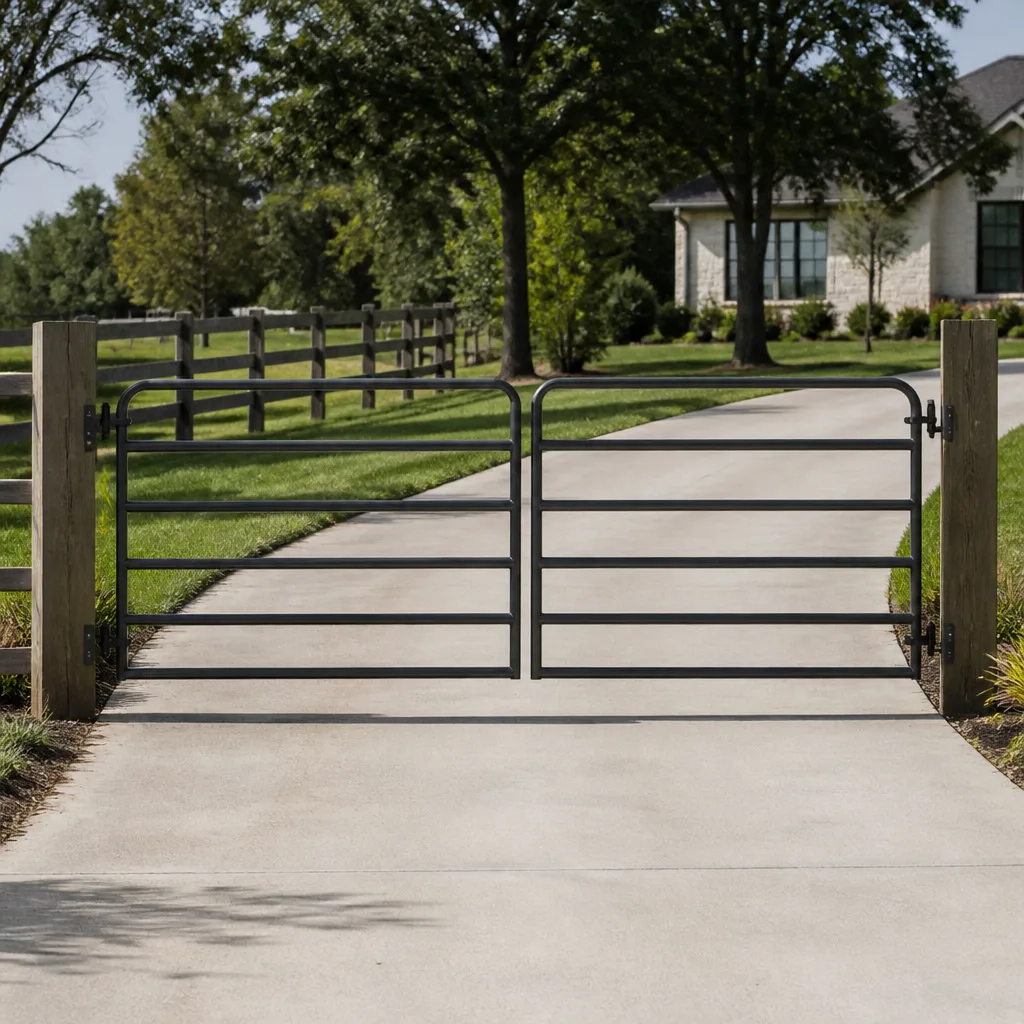 Farm & ranch
 Wrought iron
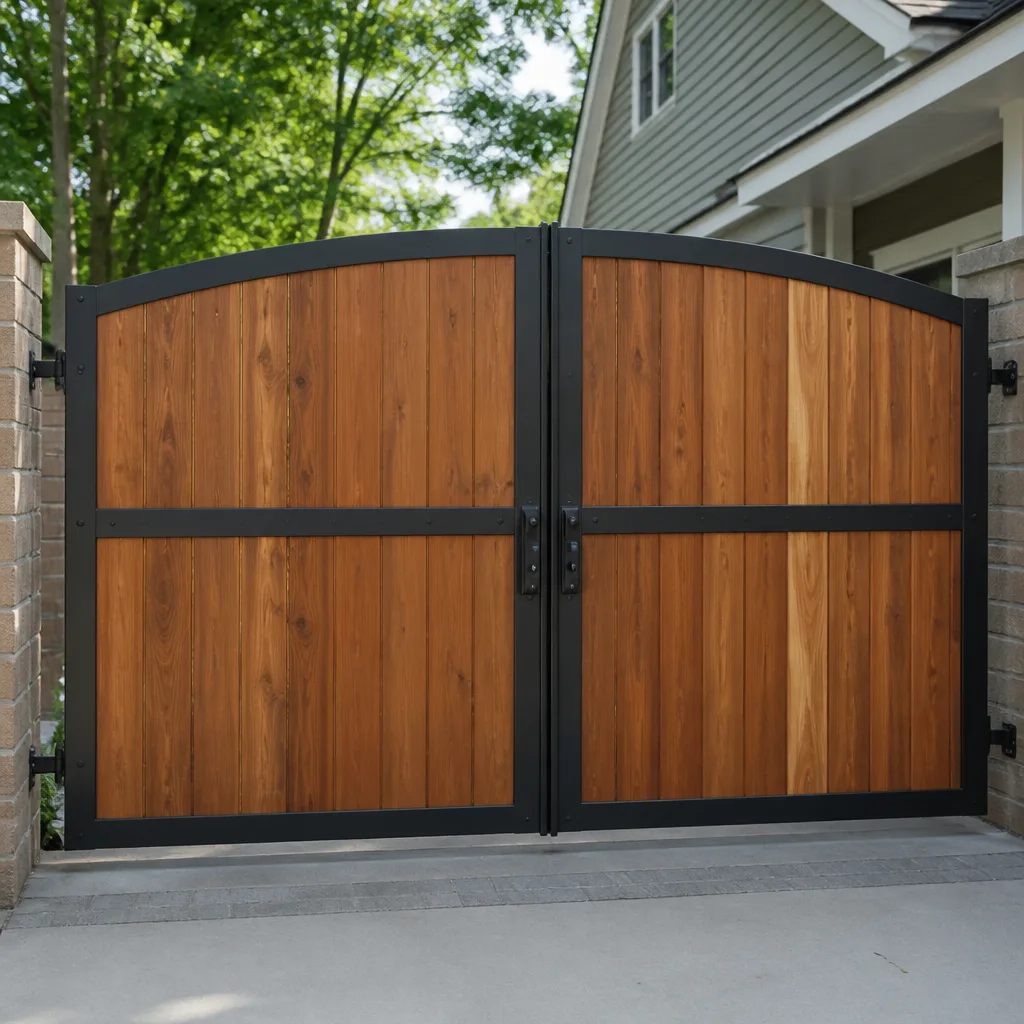 Wood & steel frame
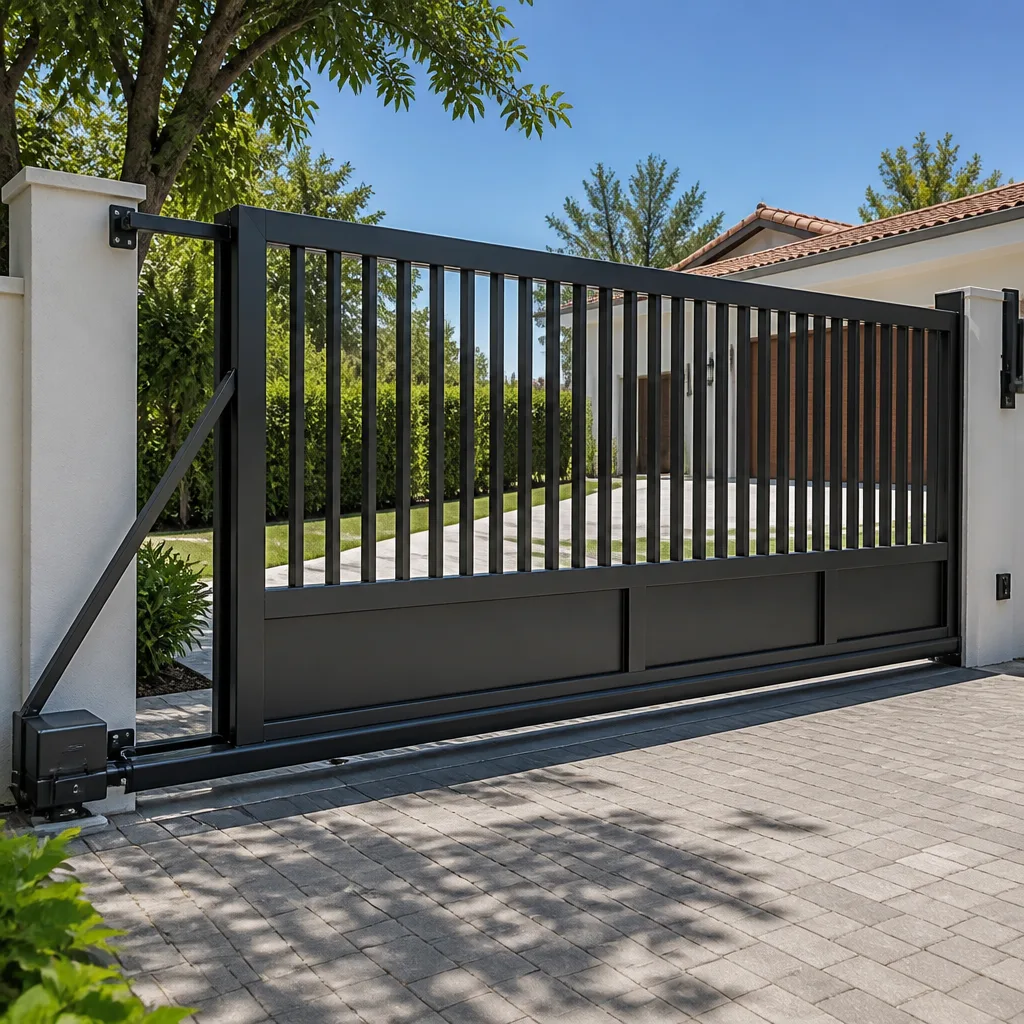 Sliding driveway gates
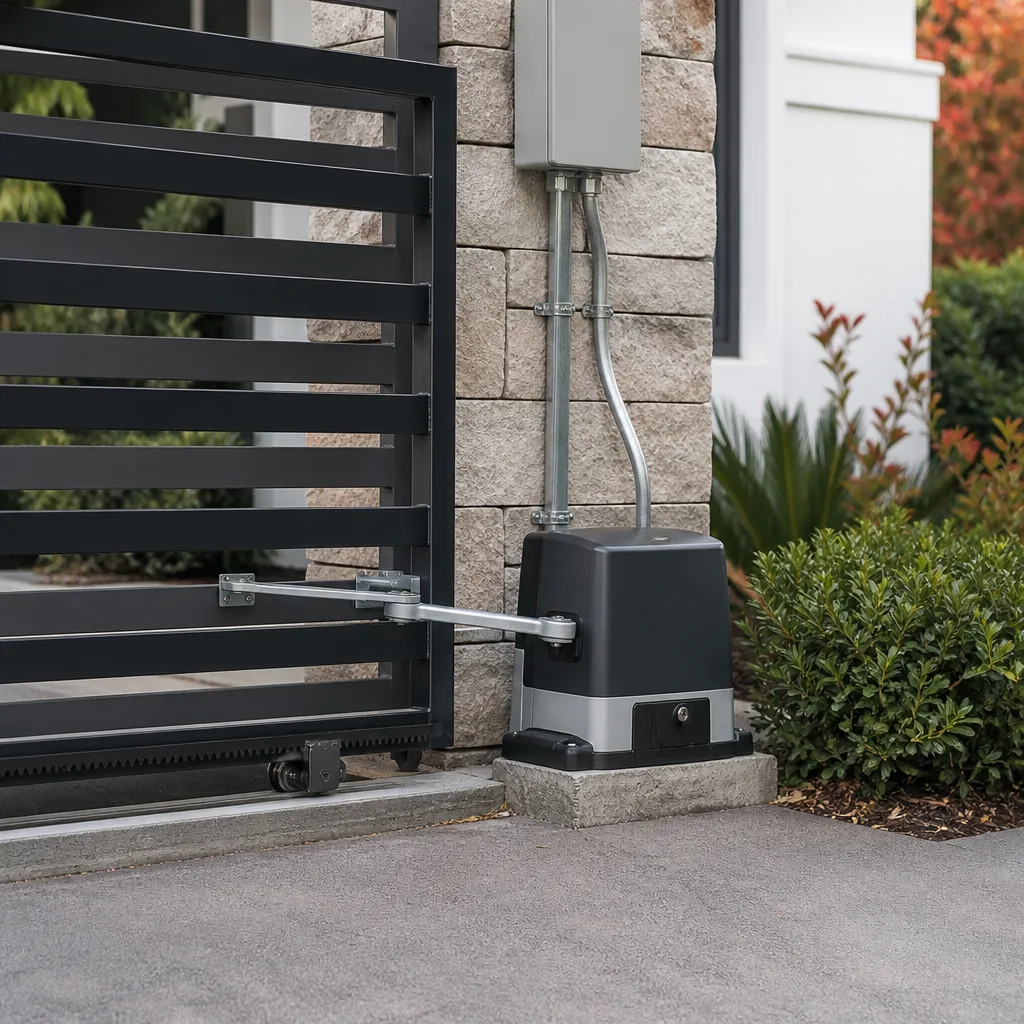 LiftMaster operators
Free on-site gate assessment - hinges, posts, and your LiftMaster or Nice gate operator checked before anything is quoted
The assessment is free and the quote is the invoice.
Get your free estimateThe Complete Gate Repair Guide for Rancho Bernardo Homeowners
The most expensive gate repair in Rancho Bernardo is almost never the one that needs the most parts. It’s the one where a homeowner approves a $1,400 operator replacement because nobody took ten minutes to explain that a $38 limit switch was the actual problem. That gap between what’s wrong with your gate and what you understand about it is where repair bills inflate, where unnecessary replacements happen, and where good money follows bad. This guide exists to close that gap. You’ll learn how automatic gates actually work, what breaks, what each failure sounds and feels like, which brands fail in specific ways, and what you can safely check yourself before anyone shows up with a clipboard. By the end, you’ll own the conversation the next time a technician tells you what your gate needs.
Styles & brands we work with
- Wrought iron
- Wood & steel frame
- Farm & ranch
- Sliding driveway gates
- LiftMaster operators
Quick Answer
Gate repair in Rancho Bernardo typically costs $85 to $185 for a service call and diagnosis, with most mechanical and electrical repairs running between $150 and $600 depending on the failed component. Operator replacement, when genuinely required, ranges from $700 to $1,400 for residential systems and more for commercial hardware. The majority of gate failures in this area stem from five specific points: the operator motor, the control board, loop detectors, limit switches, and physical hinge or wheel wear.
Table of Contents
- How Your Gate System Actually Works
- The Five Main Failure Points and Their Symptoms
- How Rancho Bernardo’s Climate Accelerates Specific Failures
- What’s Safe to Check Yourself and What Isn’t
- Brand-Specific Failures: LiftMaster, FAAC, and BFT
- The Pre-Call Checklist That Resolves 20% of Calls
- Common Mistakes to Avoid
- When to Call a Professional
- Frequently Asked Questions
- The Bottom Line
How Your Gate System Actually Works
Before you can diagnose anything, you need the basic vocabulary. An automatic driveway gate is two separate systems bolted together: a mechanical structure and an electrical operator. The structure is the gate leaf, the hinges, the wheels if it slides, the track, the posts, and the latch or lock. The operator is the motor assembly, the control board, the wiring, the safety sensors, the loop detectors cut into your driveway, and the remote receivers that listen for your clicker. When a gate fails, it’s usually one of these two systems that’s the culprit, and telling them apart is the first diagnostic step. A gate that’s physically hard to push is a mechanical problem. A gate that moves fine by hand but ignores your remote is electrical.
In Rancho Bernardo, most residential properties have swing gates on posts, while a growing number of newer communities and gated enclaves use slide gates on steel tracks. Slide gates are more common on commercial properties and HOA entrances, but plenty of Westwood and High Country West homes have them too. Each configuration has its own failure profile. Swing gates chew through hinges and actuator arms. Slide gates eat wheels, bearings, and track. Understanding which type you have is step one, because it tells you where to look first when something starts grinding or dragging.
The Five Main Failure Points and Their Symptoms
Every gate failure we’ve seen in Rancho Bernardo traces back to one of five components. Here’s what each one does and how you’ll know it’s failing before it fails completely.
1. The Operator Motor
The motor is the workhorse. When it’s failing, you’ll notice the gate moving slower than it used to, straining mid-travel, or intermittently stopping partway. These aren’t random glitches. They’re a motor drawing more current than the control board expects, which trips the overload protection and stops the cycle. The two typical culprits inside the motor are worn carbon brushes and failing capacitors. Brushes are a wear item on DC motors. Capacitors give the motor its starting punch on AC systems. Both fail gradually, which is why the slow-down is your early warning. Ignore it long enough and the motor burns out entirely, which turns a $120 brush replacement into a $900 operator replacement.
2. The Control Board
Think of the control board as the gate’s brain. It reads inputs from remotes, keypads, loop detectors, and safety sensors, then tells the motor what to do. When a control board fails, the symptoms are erratic: the gate opens but won’t close, it closes but won’t open, it ignores one remote and accepts another, or it resets randomly and needs reprogramming. Board failure is strongly correlated with age and power quality. Inland Rancho Bernardo sees more brownouts and surge events than coastal San Diego, and boards that are ten or more years old are living on borrowed time. If your board has visible scorching, bulging capacitors, or a burned smell, it’s done.
3. Loop Detectors
Loop detectors are the invisible sensors cut into your driveway in a loop pattern, usually under a saw-cut rectangle of sealant. They detect the mass of a vehicle and tell the gate to open on exit or hold open while a car is present. When a loop detector fails, the gate usually still responds to remotes but won’t open when a car pulls up, or it opens randomly when no vehicle is there. Loop failures are common in Rancho Bernardo because soil expansion and contraction from seasonal heat and occasional rain shifts the sealant, which eventually cracks and lets moisture into the loop wire. A failed loop is sometimes repairable, sometimes needs a new saw-cut loop installed. A good diagnosis tells you which one.
4. Limit Switches
Limit switches tell the gate when to stop moving. They’re mechanical or magnetic sensors that trip at the fully-open or fully-closed position. When a limit switch fails, the symptom is unmistakable: the gate jams against the end of its travel, the motor keeps trying to push, the safety reversal kicks in, and the gate bounces back or slams repeatedly. Depending on the operator, limit switches are either inside the motor housing or mounted along the track. This is one of the most misdiagnosed failures in the industry, because a slammed gate looks like a “bad motor” to someone who hasn’t seen it before. It’s usually a $40 switch.
5. Hinges, Wheels, and Physical Hardware
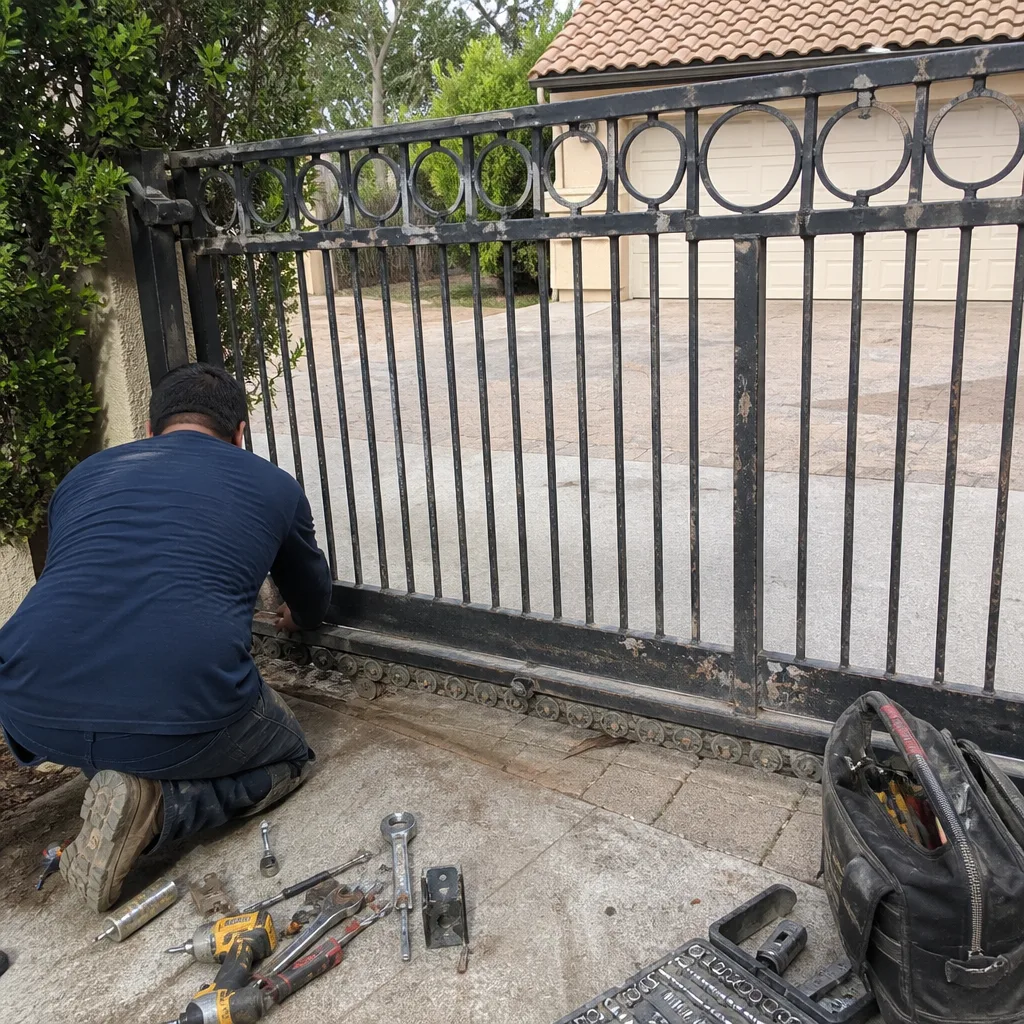
This is the mechanical side. Swing gate hinges sag over time, especially on heavy wrought-iron gates. You’ll see the gate dragging on the ground, scratching against the post, or latching unevenly. Slide gate wheels wear down and develop flat spots, which makes the gate rattle and shudder as it moves. Track gets bent by vehicle strikes or ground heave. These problems compound: a sagging hinge puts extra load on the motor, which shortens its life. A dragging gate forces the operator to work harder every single cycle. Physical hardware repair is often straightforward, but welding and alignment work should be done by someone who understands load distribution on a moving gate.
How Rancho Bernardo’s Climate Accelerates Specific Failures
Rancho Bernardo sits in San Diego’s inland valley corridor, which means summer days regularly hitting the high 90s and occasionally pushing past 100, then dropping into the 50s at night. That daily temperature swing is brutal on electronics and elastomers in ways coastal residents never experience.
Capacitors are the canary in the coal mine. The electrolytic capacitors inside gate operators and power supplies have a rated lifespan tied directly to operating temperature. Every 10 degrees Celsius of sustained heat roughly halves their life. In Rancho Bernardo, an operator mounted in direct afternoon sun with no shade cover can be running at 130-plus degrees inside its housing for hours at a time during August. That’s why we see capacitor failures here at a much higher rate than in La Jolla or Del Mar, where the marine layer keeps temperatures moderate. Same thing applies to the rubber seals around keypads and the weatherstripping on the operator cover. Heat and UV degrade those seals until they crack, then moisture and dust get in and start causing board shorts and sensor failures.
The other climate factor is dust. Rancho Bernardo’s dry summers and open-space buffers near the hills kick up fine particulate that settles inside operator housings. Dust on photoelectric sensor lenses causes false “obstruction” readings, which makes the gate refuse to close. Dust in the drive mechanism increases mechanical wear. And dust on limit switches can cause intermittent contact failure. These are all maintainable issues, but they require someone who knows the inland climate. A technician who only works coastal communities doesn’t know to check for heat-derated capacitors or dust-clogged sensors as a matter of routine.
What’s Safe to Check Yourself and What Isn’t
There’s a meaningful difference between a homeowner checking a sensor alignment and a homeowner opening an operator housing where line voltage is live. Here’s the honest boundary.
Safe to Check Yourself
- The manual release. Every operator has a manual release handle or key that disconnects the gate from the motor. If you can release it and push the gate by hand, the mechanical structure is fine and the problem is somewhere in the operator or electronics. If the gate is hard to push, you’ve found the issue: physical drag or hinge binding.
- Obstacle sensors. Most photoelectric sensors have an indicator light. If the light is solid, alignment is good. If it’s blinking or off, something is blocking the beam, the lenses are dirty, or the sensor is misaligned. Clean the lenses with a dry cloth and see if the light stabilizes.
- Remote batteries. This sounds obvious, but it resolves more field calls than most people would believe. If one remote stopped working and others still function, it’s the remote, not the gate. Replace the battery, check the LED on the remote, and re-pair it if needed.
- Physical obstruction. Look at the track or the swing path. Rocks, landscape debris, overgrown shrubs, and even gopher mounds in Rancho Bernardo’s decomposed granite soil find their way into gate paths regularly.
Leave to a Specialist
Do not open an operator cover if you don’t know whether the unit has 24V DC controls or 120V AC line voltage inside. Many residential operators run low-voltage control systems connected to line-voltage supply wiring in the same housing, and the wrong touch can be lethal. Loop detector wiring, limit switch adjustment, capacitor replacement with proper discharge procedures, and any control board diagnosis all require tools and experience. If your gate’s failure involves anything more than a manual release test, sensor cleaning, or remote battery, call someone who works on electric gates as their primary trade. A specialist in electric gate repair will diagnose the electrical system without guessing, because they see these same brand-specific failures every week.
Brand-Specific Failures: LiftMaster, FAAC, and BFT
One of the biggest sources of misdiagnosis is treating every gate operator like it’s the same machine. They’re not. Each manufacturer has its own architecture, its own control logic, and its own failure signature. A technician who’s only ever seen LiftMaster residential operators will misread a FAAC hydraulic system almost every time. Here’s what each major brand looks like when it fails.
LiftMaster LA500 and Similar Residential Swing Operators
LiftMaster dominates the residential swing gate market, and the LA500 is everywhere in Rancho Bernardo’s newer communities. When these units fail, the most common culprit is the control board reporting an “obstruction” that isn’t there. The LA500’s force-sensing is conservative, so a gate that’s out of balance or slightly dragging triggers a reversal and the board logs a fault. That fault often leads homeowners to believe the motor is dying, when the real issue is a hinge that needs lubrication or a post that’s shifted. LiftMaster also has a known pattern with their wire harness connectors loosening over time from vibration, producing intermittent “dead” behavior that’s actually just a failed connection at the board. That’s a five-minute fix for someone who knows to check it. It’s a full board replacement for someone who doesn’t.
FAAC 400 and 402 Swing Operators
FAAC operators are mechanically distinct because many of them are hydraulic, not electromechanical. The FAAC 400 and 402 series use a hydraulic pump to move a piston that swings the gate. When these systems fail, the symptom is usually a gate that moves but dramatically slower than normal, especially in the morning when the oil is cold. That’s classic hydraulic fluid degradation or leakage. The pump still runs, but it’s not generating the pressure it needs. A non-specialist who sees a slow FAAC gate will tell you the motor is bad and recommend replacement. In many cases, the fix is a fluid change and seal inspection at a fraction of the price. FAAC hydraulic systems also suffer from air in the lines, which causes jerky, uneven motion. These are maintenance issues, not replacement issues, but only if the technician knows what they’re looking at.
BFT Swing and Slide Operators
BFT builds high-end residential and commercial operators with an emphasis on encoder feedback and precise positioning. BFT units are generally reliable, but when they fail, it’s often a limit-sensing issue rather than a motor issue. The encoder or magnetic limit assembly gets knocked out of calibration, and suddenly the gate doesn’t know where it is. It opens partway, closes too far, or refuses to move because it thinks it’s already at the end of travel. BFT control boards are also sensitive to voltage irregularities, and in Rancho Bernardo’s inland heat, we’ve seen BFT boards go into thermal shutdown during afternoon power-cycling, then work fine in the evening. Homeowners will swear the gate has a mind of its own. It doesn’t. It has a board that’s overheating. If your gate system is a BFT, you need someone with BFT service experience, and that’s something Gate Repair Rancho Bernardo provides as part of our dedicated gate-only service scope.
Other common operators we work on include Linear, Viking, Ghost Controls, DoorKing, Elite, and Mighty Mule. Each has its own failure personality, and the principle is the same across all of them: the brand tells you what to check first. Knowing the brand before the service call saves diagnostic time, and that’s why we ask.
The Pre-Call Checklist That Resolves 20% of Calls
Before you pay a service fee, read our DIY vs Professional Gate Repair guide and run through these checks. They take fifteen minutes and resolve a surprising number of issues without a technician visit. If you’re inside an HOA community in Rancho Bernardo, check whether the gate is community-maintained before doing anything yourself.
- Test the manual release. Disconnect the operator and push the gate through its full travel. Smooth and easy? The problem is electrical. Binding, dragging, or stuck? You’ve identified a physical issue.
- Check the breaker and any GFCI outlets. Gate operators are usually on a dedicated breaker, often a GFCI. If it’s tripped, reset it once. If it trips again immediately, stop and call a professional. That’s a short, not a fluke.
- Inspect the sensor lenses. Photoelectric safety sensors have small circular lenses. Dust, spider webs, and hard-water residue from irrigation spray all reduce their range. Wipe them carefully and see if the gate starts behaving.
- Look for obstructions in the travel path. Even a two-inch rock under a slide gate wheel can trip the obstruction sensor. Check the track, check the swing arc, check for landscape growth.
- Test each remote independently. If remotes are inconsistent, note which ones work and which don’t. Try the keypad too. A pattern here tells the technician exactly where to start.
- Listen carefully to the gate during operation. Grinding is metal-on-metal contact. Humming without movement is a capacitor or motor issue. Clicking with no movement is usually an overheating board or a relay failure. Write down what you hear.
Running this checklist before you call gives any service provider a head start, and honestly, it saves you money. When a gate repair in Rancho Bernardo starts with “I already checked the release, the sensors are clean, and the breaker is fine,” the technician arrives knowing the problem is likely upstream in the electronics. That’s a faster diagnosis, and faster diagnosis is cheaper diagnosis.
Common Mistakes to Avoid
- Replacing the operator before checking the limit switch. A slamming gate is rarely a dead motor. It’s usually a failed or drifted limit switch. Ask for the switch to be checked before approving an operator quote.
- Approving a “board replacement” without seeing the fault code. Modern operators log faults. If the technician can’t show you the specific fault that points to board failure, ask for a second opinion before spending hundreds.
- Ignoring gate slow-down as “normal aging.” Motors don’t get slower because they’re old. They get slower because brushes, capacitors, or hydraulic fluid are degrading. Slow-down is an early warning, not an endpoint.
- Lubricating without knowing what to lubricate. Greasing the wrong part of a slide gate track attracts dust and grime, which accelerates wear. Use dry lubricants where appropriate and leave the rest alone.
- Power-cycling repeatedly instead of investigating. If your gate runs after a reset but then fails again, that’s not a fix. That’s a board or thermal issue hiding behind a reboot. Each cycle adds stress to the system.
- Waiting too long because “it still works sometimes.” Intermittent gates fail permanently at the worst moment, often in the heat when you’re already stressed. Address the symptom early.
- Using a generalist because the price is lower. A gate operator is specialized equipment. The wrong diagnosis costs more in parts and repeat visits than a specialist ever would have charged up front.
When to Call a Professional
If your safety sensors won’t align after cleaning, if the gate trips its breaker more than once, if you smell burning plastic, if the gate moves erratically, or if you’ve confirmed the manual release works but the operator still won’t respond, it’s time. Electrical diagnosis and line-voltage work aren’t homeowner jobs, and structural repairs on a heavy moving gate need someone who understands load distribution. The consequences of getting it wrong include injury, property damage, and a gate that fails closed when you need it open. Gate Repair Rancho Bernardo offers free estimates in Rancho Bernardo. Call (855) 532-9392 and we’ll tell you what’s actually wrong before you spend a dollar.
Frequently Asked Questions
Gate repair in Rancho Bernardo typically runs $85 to $185 for the service call and diagnosis, with most component repairs landing between $150 and $600. Operator replacement, when warranted, starts around $700 for entry-level residential units and rises with commercial-grade hardware. Call (855) 532-9392 for an exact quote on your specific system, because brand and configuration matter.
That’s usually a capacitor or control board hitting thermal limits inside the operator housing, which is common in Rancho Bernardo where summer afternoons push operator temperatures well past design specifications. The fix is typically replacing the degraded capacitor or improving housing ventilation, not replacing the entire operator.
We prioritize gate repair calls that leave a property unsecured. Availability depends on the day’s schedule, but our service area covers Rancho Bernardo and nearby communities, and we’ll be honest about timing when you call (855) 532-9392.
Yes. If your system is LiftMaster, we know it. The same applies to FAAC, BFT, Linear, Viking, Ghost Controls, DoorKing, Elite, and Mighty Mule. We service the operator and the gate structure, which means one call covers the gate and the operator.
If the gate structure is solid, the hinges aren’t sagging, and the track or posts are in good shape, you almost never need a new gate. Most “new gate” recommendations are really operator replacements, and that’s a much smaller job. A proper evaluation tells you which you actually need.
We do. Gate installation in Rancho Bernardo covers everything from selecting the right operator for your gate weight and usage pattern to full automation setup. The price is quoted and agreed before any work starts, so there are no surprises.
The Bottom Line
A Rancho Bernardo gate system is two things bolted together: a physical structure and an electrical operator, and knowing which one is failing saves you real money. The five main failure points are the motor, the control board, the loop detectors, the limit switches, and the physical hardware, and each fails with its own signature. Your local climate makes capacitors and seals age faster than San Diegans assume, and brand matters more than most people think. A LiftMaster failure is not a FAAC failure, and treating them as interchangeable is how misdiagnosis happens. Before you call, run the checklist. Before you approve a repair, understand the diagnosis. If your gate isn’t right, call (855) 532-9392 and get it diagnosed right the first time.
Written by the team at Gate Repair Rancho Bernardo, serving Rancho Bernardo since 2013.
See the difference
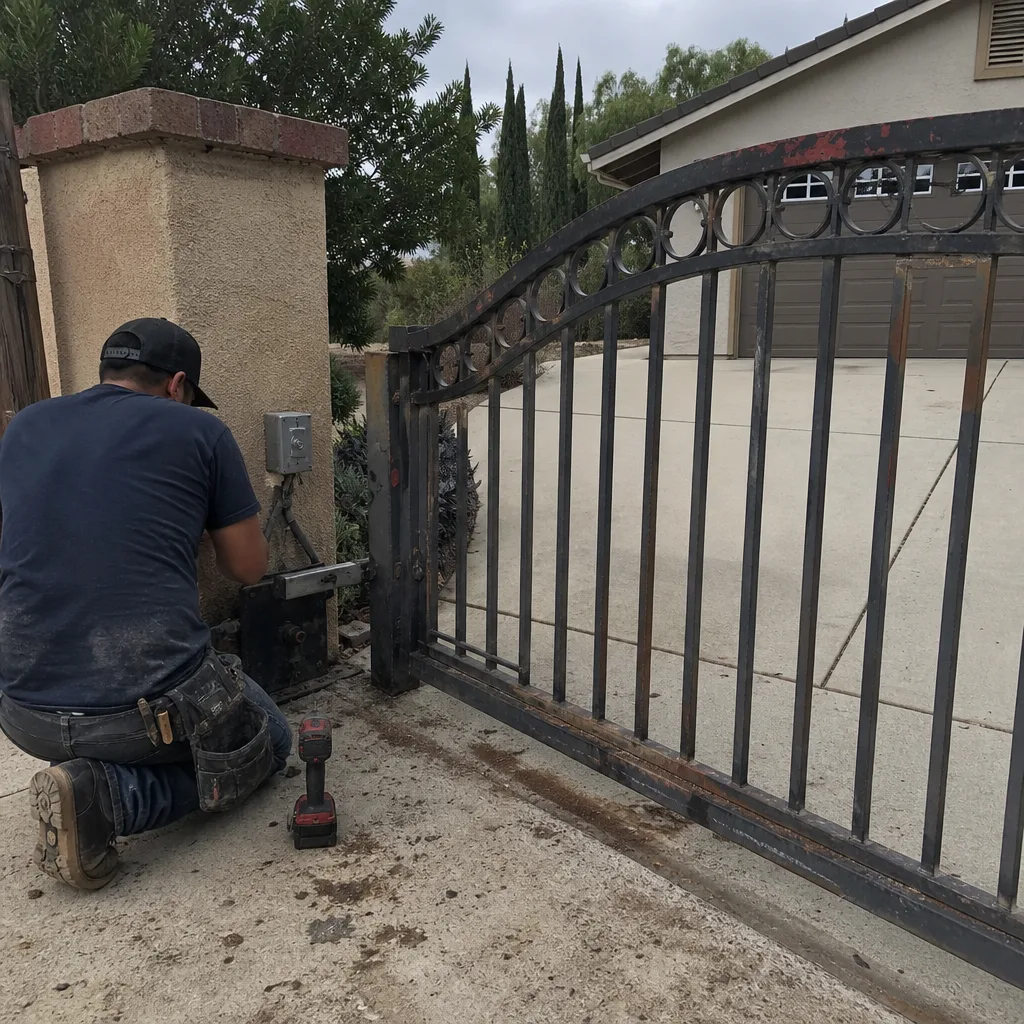 Before
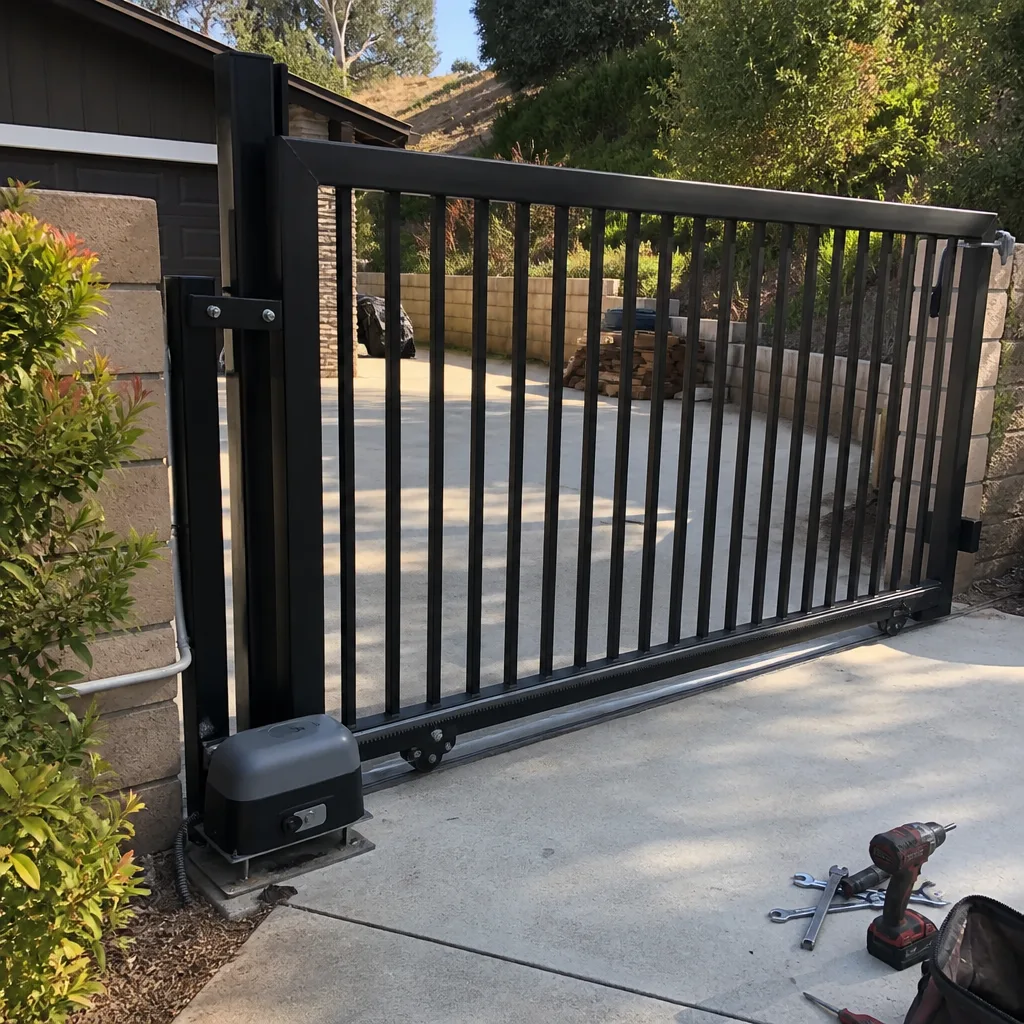 After
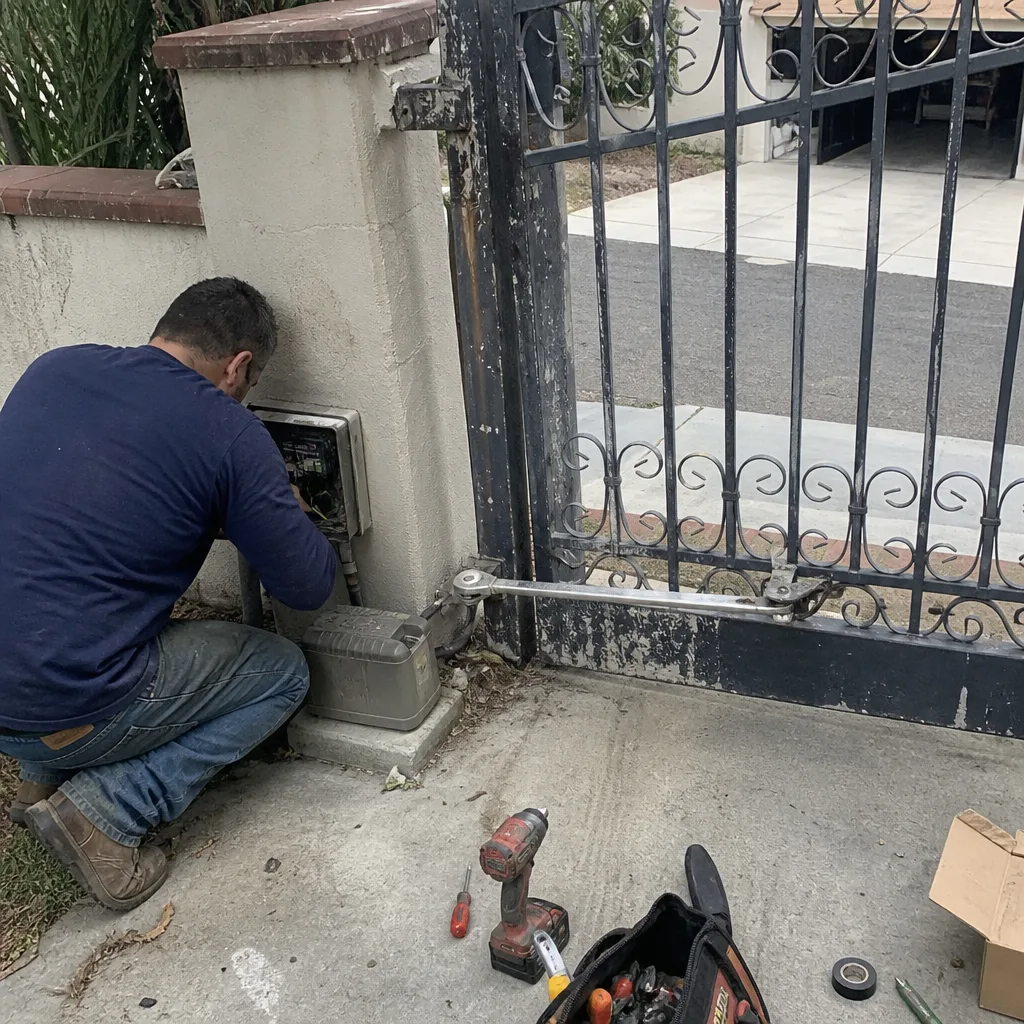 Before
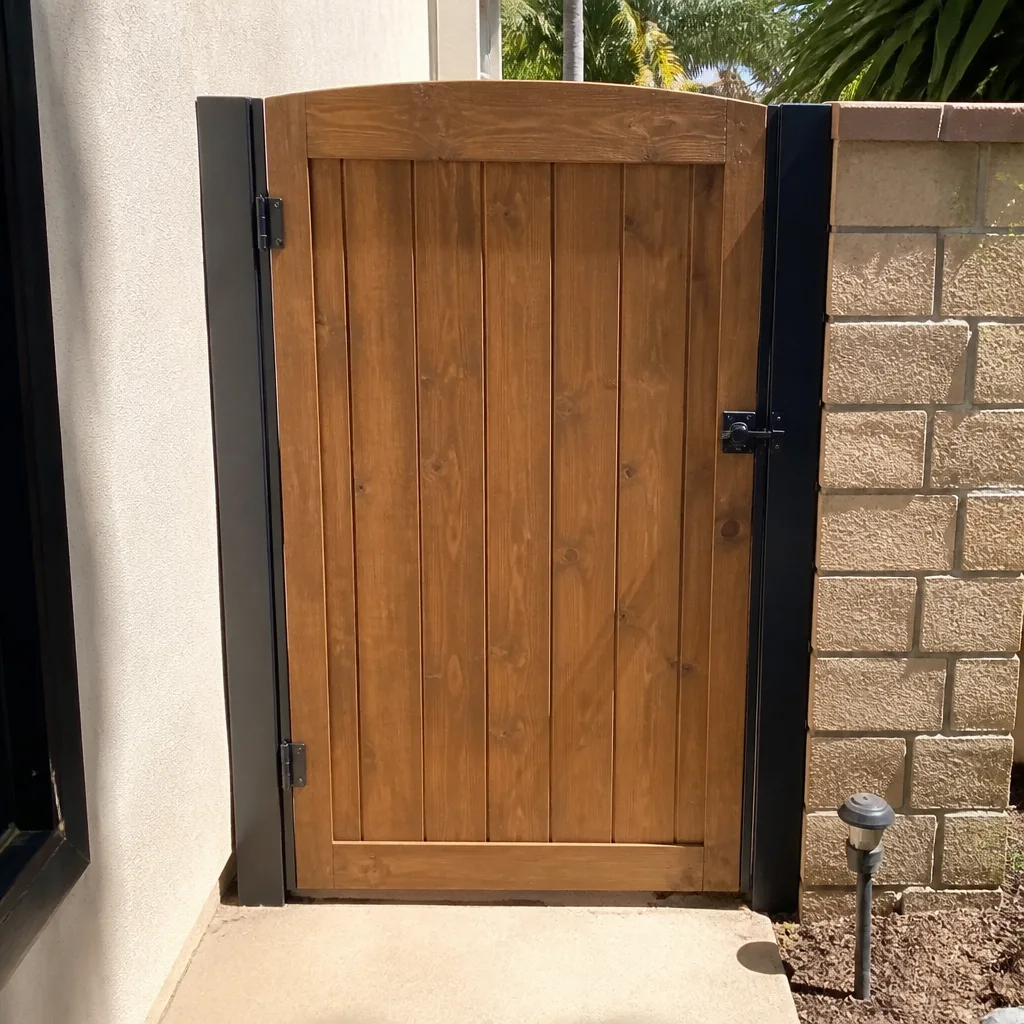 After
 Before
 After